Wine cocktails: winemakers jump on drink trend, hire experts for brand recipes


ONCE DÉCLASSÉ, LIGHTER ALCOHOL DRINKS GAIN A FOLLOWING
 |
|
|
 |
|
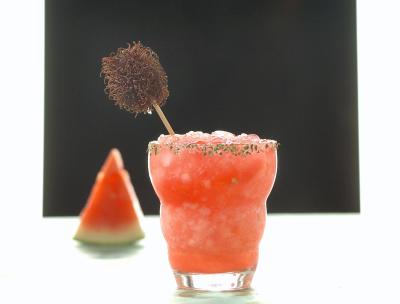
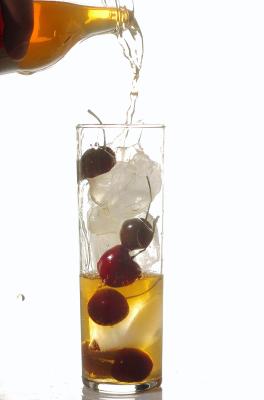
(CM) COCKTAILS_CM02 Cocktails in the studio on Thursday June 19, 2008. Watermelon cocktail. Cyrus McCrimmon, The Denver Post ( CYRUS MCCRIMMON ) |
The other day, for instance, I prepared my favorite wine-based drink at a little get-together. I opened a decent bottle of Rioja, poured some into a highball glass filled with ice, then topped it with an equal measure of Coca-Cola.
Those watching were aghast. "That's like a hobo drink," said my friend Erin.
In fact, that drink is called a Calimocho (or a Rioja Libre) and is the tipple of choice of wayward Spanish youths, a poor man's sangria. It is also extremely delicious and refreshing on a hot day.
"It's a dirty secret, but Coke with a big, fat red wine is great," says Duggan McDonnell, owner of Cantina in San Francisco, where Sauternes, malbecs and muscats mingle with harder spirits on the cocktail menu.
Wine-based cocktails allow places without hard-liquor licenses to serve mixed drinks. And the move to wine as a drink ingredient seems to speak to many Americans' jitters about hard liquor.
"It has to do with lighter palates, people wanting something a little lighter," McDonnell says. "I'm all for lowered alcohol, and it's often a nicer overall experience. I don't always want to taste heat on the palate. I want balance."
Fortified wines such as port and sherry have been old-school standards since the early days of cocktail-making. The classic sangaree, for instance, mixes ruby port with a teaspoon of sugar
 |
 |