Asian Food Lexicon for Wine


Many of the formal descriptors traditionally attributed to wine aromas and flavours are based on Western foods. For example: cassis, gooseberry, oatmeal, brioche and butterscotch, just to name a few. Since a lot of these foods are not readily available in Asia, wine associations with such foods do not come naturally for many of the locals. But there are a number of Asian ingredients and foods which share aromas and flavours with various wines. Since I first arrived in Asia I’ve become interested in isolating them. Here are a few of my discoveries that I sometimes incorporate into my localised tasting notes or discussions to bring wine to life within Asia’s wide variety of cultures.
Azuki / red bean paste: Used in a lot of Asian sweets, pastries and breads, this dark, sticky mixture has a rich, dried raisin / date / fig combined with dark honey sort of character. I find this smell in some Oloroso Sherries, Banyuls / Vin Doux Naturels, Tawny Ports, Rutherglen Muscat and particularly in sweet Pedro Ximenez wines. This descriptive can also be used with some Reciotos.
Chinese steamed bread: A very subtle fresh-cooked bread aroma and flavour that is often found in young / NV Champagnes and some sparkling wines.
Chompoo / rose apple (Thailand and Malaysia): The skin and flesh of Chompoo are crunchy with a flavour sort of like a cox or Macintosh apple mixed with watermelon and a dash of rose water. This fruit is quite astringent / tannic with a pleasant hint of bitterness in the finish that is balanced by the sweetness. Chompoo is a good descriptive for more aromatic rose wines such as Tavel and rose Champagne.
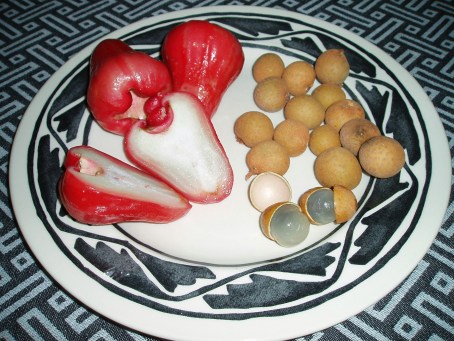
Chompoo (left) and Longan (right)
Dried tangerine / mandarin peel: A key aromatic ingredient in many great Chinese dishes. The smell is intense and akin to some noble rot wines especially botrytised Riesling.
Dried plum (sour plum / black plum): Not to be confused with ordinary prunes, the smell of this Chinese snack / cooking ingredient is very distinctive incorporating a subtle plum character with fragrant earthy, forest floor aromas. I also get a faint whiff of olive groves and dried herbs in these strongly flavoured dried fruits. Since they’re salted I tend to use them just as an aroma descriptor. Sometimes the complex smell of dried plum can be caught on right bank Bordeaux clarets, some southern French reds and occasionally on red Italian and Spanish wines.
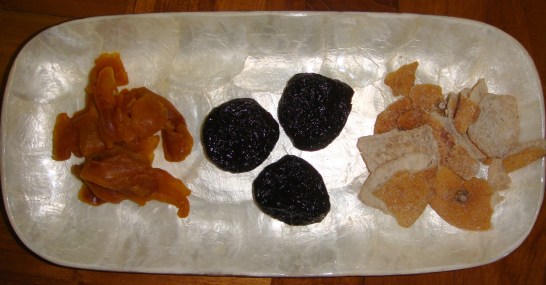
Preserved Ginger (left), Dried Plum (middle), and Dried Mandarin Peel (right)
Five spice powder (Chinese): A fantastically fragrant seasoning blend usually of cinnamon, cassia bud, star anise, ginger and cloves. You can find this aroma on better quality wines made from Syrah and/or Grenache and occasionally on developing Right bank Bordeaux wines.
Fuji apple: A large Japanese apple, similar to a Red Delicious but with less acid and more aroma / sweetness. It shares aromas and flavours with some evolving Chardonnays and evolved or late-disgorged sparkling wines.
Green or unripe mango: Used in many Thai dishes this ingredient has a fantastically tart, intense Granny Smith / green apple sort of smell and flavour with a slight tropical (pineapple) kick. The aroma and flavour can be found in New Zealand Sauvignon, late harvest Chenin Blanc and some warm climate Chardonnays, for example.
Hoshigaki (Japan), Shi-bing (China), Gotgam (Korea) Hong Kho (Vietnam): Dried persimmon. It smells and tastes kind of like a cross between dried figs and apricots. Similar aromas can be found in wines such as Vin Santo, Vin de Paille or Tokaji.
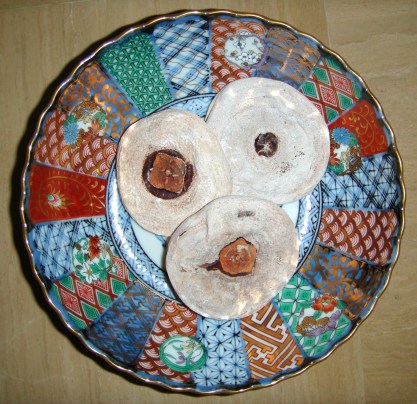
Hoshigaki / Dried Persimmon
Jasmine: This is a perfumed almost honeysuckle aroma but with hints of exotic spice. It can be found in wines made from aromatic grapes such as Riesling, Muscat, Viognier, Gewurztraminer, Torrontes or Roussanne. Occasionally it can be found in Champagne or even young Nebbiolo and concentrated Pinot Noirs.
Kaki: Persimmons. These have a delicate aroma and flavour of ripe peach, cantaloupe and under-ripe guava. Its character can be found in examples such as Chardonnay, Viognier, Pinot Gris and Albarino.
Kaya Jam (Malaysia, Singapore): This is a rich coconut and egg based jam commonly spread on toast in Malaysia and Singapore. The smell has a delicate scent of coconut with aromas of egg custard and caramel and can be found in mature or late disgorged Champagnes, mature Meursault or evolved Californian Chardonnay.
Lemon grass: As the name suggests, this unmistakable smell is both grassy and lemon-laced. I find it most in Australian Semillon but it is certainly present in many other exotically scented white wines.
Lime leaves: An herbaceous, delicate lime scent that can be found in Semillon, especially young hunter Semillon and some youthful aromatic wines such as Riesling.
Longan / lam yai: A lychee-like fruit that is very popular in Asia. It is perhaps not quite as spicy as a lychee with a honeydew melon type of flavour with a touch of white pepper and fresh ginger. The aroma/flavours can be found in fine, cool climate Chardonnay, Pinot Gris and Albarino.
Mikan / Wenzhou migan: Japanese / Chinese tangerine with a ripe, fruity aroma that can be found in young Muscat and youthful sweet wines such as Saint-Croix-du-Mont or Canadian Ice Wine.
Mango pudding: This has wonderful creamy mango aromas and flavours. Can be found in very ripe Chardonnay or some NZ Sauvignons.
Mooncake (with lotus seed paste filling): This is a traditional Chinese pastry commonly eaten in celebration of mid-Autumn festival. It has typical pastry aromas supplemented with a filling reminiscent of caramelised sugar or butterscotch. The smell can be found in a range of wines (and to varying degrees) from classic Marsala, Madeira and aged Sauternes to mature Champagne, aged Meursault and Tokaji.
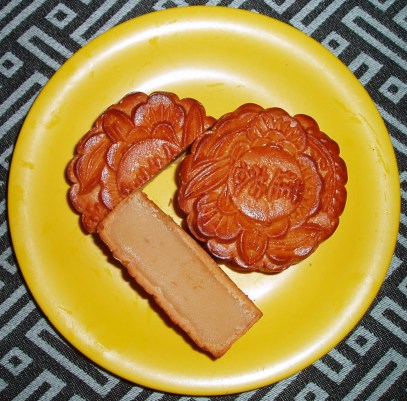
Mooncakes
Nashi: A Japanese pear, though more like a cross between an apple and a pear. The aroma and flavour can be found in Chardonnay, Pinot Gris or Pinot Blanc.
Nori: Japanese dried seaweed, commonly used as a wrap for sushi or onigiri. Nori has a very distinctive savoury, sea/vegetal smell and delicate somewhat umami flavour. I find its aroma in better quality Koshus and occasionally in Gruner Veltliners and some evolved red wines.
Oolong Tea: This is a Chinese tea widely consumed across Asia that is stylistically somewhere between black tea and green tea. It has a wonderfully earthy, savoury aroma with roasted nut nuances. I often find its distinctive smell in many mature old world reds, particularly on the nose of aged Nebbiolo and Sangiovese.
Pineapple bun: Doesn’t actually contain pineapple, but rather looks like one. This is a sweet bun popular in Hong Kong and Macau. The aroma and flavour can be found in aged / late disgorged Champagne and mature Chardonnay.
Pineapple pastry: A Chinese / Taiwanese sweet cake that consists of pastry casing containing a paste made of dried pineapple. The aroma can be found in ripe, oaked Chardonnay, some barrel fermented Sauvignons (e.g. from Bordeaux), Sauternes, and Beerenauslese.
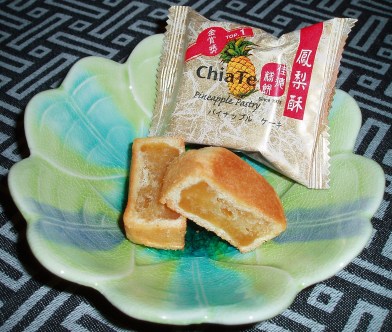
Pineapple Pastry
Pomelo (Chinese grapefruit): This is a very large green coloured grapefruit which is generally sweeter and less bitter than other grapefruits while maintaining tart acidity. Akin to ripe Sauvignon Blanc and warm climate Riesling.
Preserved ginger: Partially drying and preserving ginger (usually in a salt and sugar mixture) intensifies its aroma and reveals a sweet-spicy character found in many aromatic white wines such as Gewurtztraminer and Riesling.
Shiso: A Japanese mint, sort of like spearmint but more subtle. The smell can be found on warm climate / vintage Cabernet, Shiraz or Merlot.
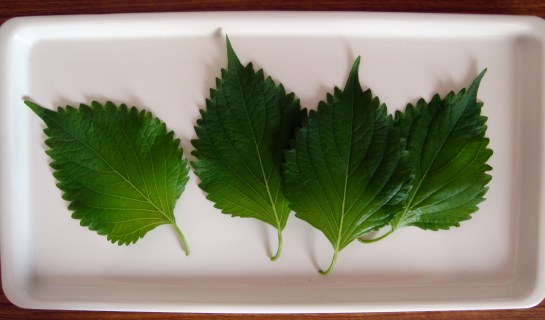
Shiso
Star anise: This spice has an intense liquorice aroma and flavour that can be found in some wines made from red grapes such as Syrah or Grenache.
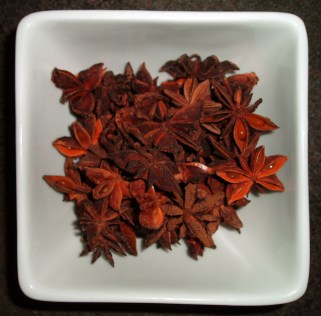
Star Anise
Star fruit / carambola: The unusual star fruit gives subtle citrus and tropical fruit aromas like a cross between a lemon and a pineapple with a bit of grassiness. The most obvious grape with similar aromas and flavours is Sauvignon Blanc, particularly from the Loire, but the characteristics can also be found in Cortese or sometimes Pinot Grigio / Gris.
Sudachi: This is a small, strongly scented Japanese lime that shares aromas with ripe Riesling, Semillon and some Sauvignons.
Tau Sar Pau Buns: I love these. They’re basically Chinese steamed bread with a red bean paste filling. (See the separate descriptors for these foods.) I only mention them because these breakfast buns are quite accessible in Asia and a good way of familiarising yourself with the aromas and flavours of these ingredients if you’ve never had them.
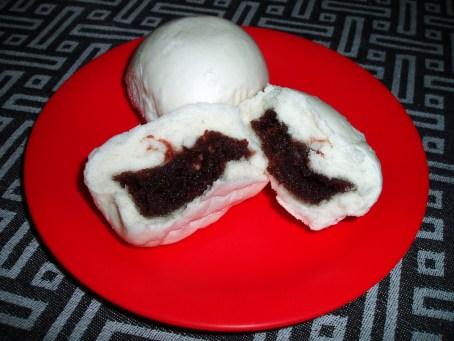
Tau Sar Pau Buns
Thai guava (farang): This is a very common fruit in Thailand with a distinctive smell and taste that is a bit like a green apple laced with fresh thyme. The aroma and flavour can be found in Loire Chenin Blanc, Gruner Veltliner and more aromatic examples of Pinot Blanc.
Tofu: Fresh, silken tofu can have a rather distinctive earthy/nutty smell like Fino Sherry but I also find it has a delicate creamy/savoury character that is found in some young Cavas.
Umami / xianwei: The “fifth taste”, this is a savoury flavour found in meats, cheeses, mushrooms, seaweed and oyster sauce (or other monosodium glutamate containing products, ignoring any added flavours such as salt and sugar), for example. I find nuances of this sometimes in aged Barolo or Southern French grapes such as Mourvedre or Carignan.
Winter melon: Consumed in Asia as a vegetable, the smell of raw winter melon is a cross between fresh mown grass and honeydew melon. Its aroma can be found in wines such as Sauvignon Blanc and Gruner Veltliner.
Yuzu (Japan) / yuja (Korean): This citrus fruit is like a hybrid of grapefruit and lemon. It is most commonly used for its aromatic rind which has a pronounced lemon-lime character. The smell in found in many white wines, notably those made from Koshu, young Chablis and some Sauvignons.