N.Y. Seeks to Double Wine Economy


Task force publishes specific recommendations to build state's wine industry
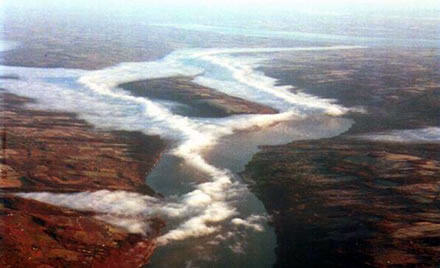
New York's Finger Lakes is one of the state's best known winegrowing regions.
PHOTO: New York Wine & Grape Foundation
Albany, N.Y. -- Amid the gloomy news about the economy, the wine industry sometimes offers rays of hope. That happened Dec. 10 when the New York State Wine Grape Task Force issued its final report to the New York Commissioner of Agriculture and Markets. In 2005, an economic impact study showed that the New York wine industry generated $3.4 billion annually in economic benefits to the state's economy, and the task force identified ways in which that figure could be doubled to nearly $7 billion in five years.
The task force saw this as a realistic objective, and toward that goal, listed 26 recommendations in four main areas: the State Liquor Authority, Environment and Sustainability, Wine Promotion and Marketing, and Economic Development.
|
Kareem Massoud, winemaker at his family's Paumanok Vineyards on Long Island, chaired the New York Wine Grape Task Force. |
A study commissioned from MKF Research by the NYWGF in 2005 had shown that the New York industry was contributing $3.4 billion annually to the state's economy, and the group believed that a partnership between the state and industry could well double that amount by 2014. Eliot Spitzer said his administration would follow up on what they were telling him.
After Governor Spitzer took office, Patrick Hooker was named Commissioner of Agriculture and Markets, and late that summer he asked Kareem Massoud to chair the Wine Grape Task Force. In the fall of 2007, the task force was created, with 15 members providing representation from across the state's various winegrowing regions and including both large and small wineries.
The group met five times from November 2007, to July 2008, and held a number of conference calls. Commissioner Hooker brought in members of the academic community as well as representatives of other state agencies including the State Liquor Authority to meet with the task force.
The recommendations involving the State Liquor Authority primarily sought reform of the authority's antiquated regulations, such as consolidating categories of winery licenses from five to two: farm and commercial. Farm wineries should be permitted to provide custom crush service under their existing licenses, and the off-premises requirements that regulate liquor stores would be removed from winery satellite stores.
Environment and sustainability recommendations include developing wildlife pest management plans, increased funding for IPM research, and working on appropriate winery wastewater regulations rather than continuing to include wineries within general industrial wastewater regulations.
Wine promotion and marketing recommendations include extending the effective "I Love New York" campaign to include wineries and agri-tourism, developing a consistent policy on highway signage for wineries and wine trails, and extending the definition of farmers markets to include gatherings of two or more wineries.
Among the economic development recommendations are expanding the Empire State Development's Manufacturing Assistance Program to include a special wineries sub-program and resolving a conflict in interpreting New York's Real Property Tax Law to ensure that agricultural processing be considered an agricultural activity for taxation purposes.
Kareem Massoud, who chaired the task force, told Wines & Vines "The task force was a unique opportunity for stakeholders to give the state feedback and recommendations to put in place to benefit the industry. Many of the recommendations could be acted on in 2009, but we do have a fiscal crisis in the state."
Jim Trezise summed up the task force report as "another great example of the partnership between the private and public sectors that we have in New York. The New York Wine and Grape Foundation has been able to provide a lot of perspective in support of the process. Of the 15 members on the task force, six or seven are on the Foundation's Board of Directors. We didn't have to wait for the final report to be issued in order to begin working on various aspects of the report such as wastewater management, the 'I Love New York' campaign, or meeting with the State Liquor Authority."
Both Trezise and Massoud emphasized their gratitude to the Department of Agriculture and Markets for its commitment and leadership. The way it brought other state agencies into the process served to strengthen the relationship that exists between the industry and various state agencies.