A Graceful Old Friend From Alsace


We were dining at a little restaurant with an anemic wine list and we had to search for our secret, emergency wine. Whew! Sure enough, there it was. We ordered it, we relaxed and the dinner was saved. As we talked about this later, we realized we should probably let everyone in on this secret. So here it is:
When you are at a restaurant with a limited list or at a store without much of a selection, look for Pinot Blanc from Alsace. You’ll be surprised how often it shows up. We’re not really sure why, since Alsatian Pinot Blanc is hardly one of the world’s most popular wines, but we see it more than we’d expect and, to us, it’s like finding an old friend.
We’re partial to Alsatian wines in general, though we have raised some alarms over the past few years about a rising level of sweetness in Pinot Gris and Gewürztraminer. We have a special soft spot for Pinot Blanc because, to us, it just seems so very relaxed and easy—and inexpensive to boot. While there are many different producers, a handful of big players are widely distributed. Trimbach has been a standby for us for decades, for instance, while our all-time favorite is Schlumberger.
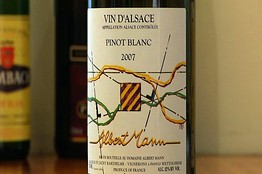

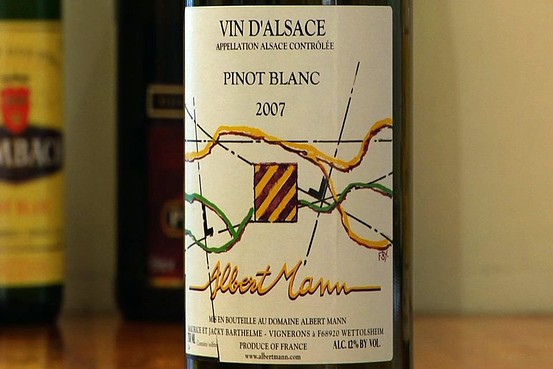
Under the rules of Alsace, a wine called Pinot Blanc can actually be made from any blend of Pinot Blanc and a grape called Auxerrois, which is Pinot Blanc’s traditional blending partner in Alsace. As a result, some wines labeled Pinot Blanc are 100% varietal Pinot Blanc, while Schlumberger, for instance, is 30% Pinot Blanc and 70% Auxerrois.
Despite our long, happy relationship with Alsatian Pinot Blanc, we realized we had never conducted a broad, blind tasting of every one we could find. Pinot Blanc, as a grape—and it’s grown all over the world, with various names—can be fairly bland. Are the Alsatians really as reliable as we think? We picked up every one we could find on store shelves and tasted them blind to find out. Some of the wines cost less than $10 and some cost more than $30, with the average about $17.
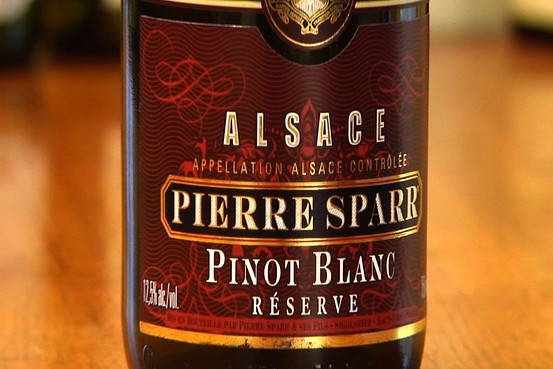
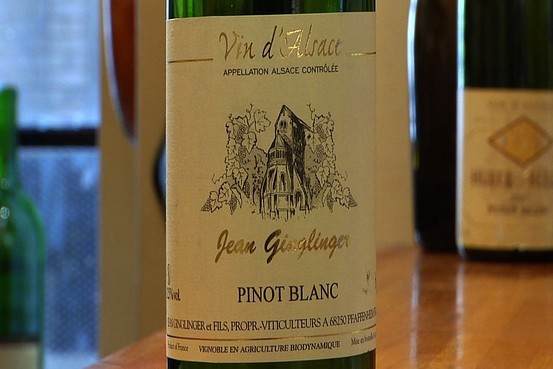
We took one sip of the very first wine of the tasting and smiled. “It’s like falling off a log, isn’t it?” Dottie said. The wine had such ease and grace that it seemed effortlessly pleasing. All of the tastes were balanced and no element of the wine was crying out for attention. But it also had significant character—white pepper, melon and outstanding acidity. It turned out to be our old favorite, Schlumberger “Les Princes Abbés” 2006, which is a world-class bargain for about $15 and our best of tasting. The importer, Maisons Marques & Domaines of Oakland, Calif., says the winery made about 6,000 cases, of which 1,400 cases were imported into the U.S. and distributed to 26 states. We are happy to say that the entire tasting was a joy. While some labels were fairly obscure, such as Huber & Bléger and Jean Ginglinger, the old standbys did well, too.
We always say there are no guarantees in wine, but we completed our tasting convinced that there are few wines on shelves or restaurant lists as reliably pleasant and filled with personality as Alsatian Pinot Blanc.
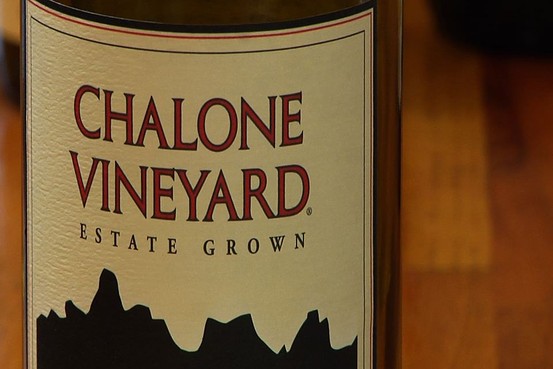
By the way, some U.S. wineries make good Pinot Blanc, too, and not just in California. Lieb Cellars on New York’s Long Island makes a good one, for instance. Our longtime U.S. favorite is Chalone, which we collected for years and still enjoy. We recently had a bottle of the 2005 ($16.99) and it was simply terrific—very, very ripe, with explosive fruit, nice edges, plenty of oak and great balancing acidity. “This is just heaven,” Dottie said. It was so good, in fact, that it sent us to our old notebooks, where we found comments on the 1974, drunk in 1987, and darned if it didn’t sound almost exactly like the wine we’d just enjoyed. Talk about an old friend.
All About Tastings
It’s time for our semiannual reminder of who we are and what this column is all about. Both of us are longtime hard-news journalists. John was page-one editor of this newspaper from 1992 to 2000. Dottie was news editor in charge of urban affairs. We have been married for 30 years and have two daughters in college. We began writing “Tastings” in 1998 and became full-time wine writers in 2000. We are the authors of four books on wine. We are proud to report that Dottie presented the commencement address last weekend at her alma mater, the University of Missouri School of Journalism. Our assistant, Melanie Grayce West, helps us in many ways and also writes the “Wine Events” column that appears on Friday.
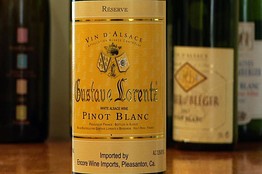
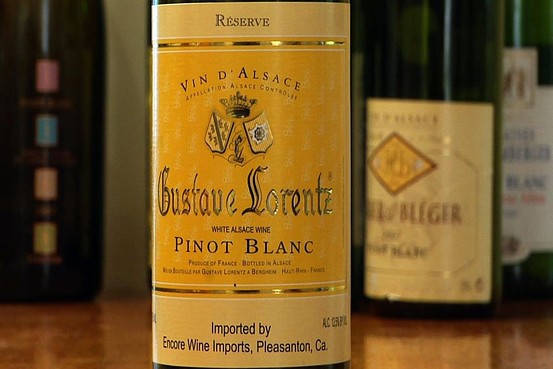
In our column, we use wine as a device to write about the things we consider truly important—romance, love, family, happiness and friendship. We approach wine the same way we did for a quarter-century before we ever wrote about it: as passionate consumers. We do not accept free wine, free meals or free trips and only attend events that are open to the public, for which we buy tickets like everyone else. We do not meet privately with winemakers when they visit New York. We buy our wines from retail shelves, both in person and online, from stores all over the country. The Wall Street Journal pays retail prices for the wine. We taste wines blind unless we specifically note otherwise.
Because we shop so widely and have been shopping widely now for more than 35 years, we can assure you that every wine shop is different. Two stores across the street from each other could have utterly different inventories. That’s why, in our tastings, we look for general trends so we can offer general advice. For instance, having tasted hundreds of American Merlots over the years, we can tell you that they are less of a risk today than they were a few years ago; that Alsatian Pinot Blanc is very little risk at all; and that inexpensive Australian Shiraz continues to be a big risk. In other words, what we’re trying to do is very simple yet very broad: Give you an idea what section of the wine store is likely to offer good value, at any price, and which is not.
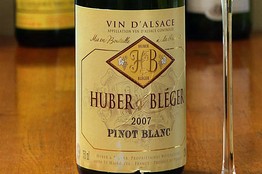
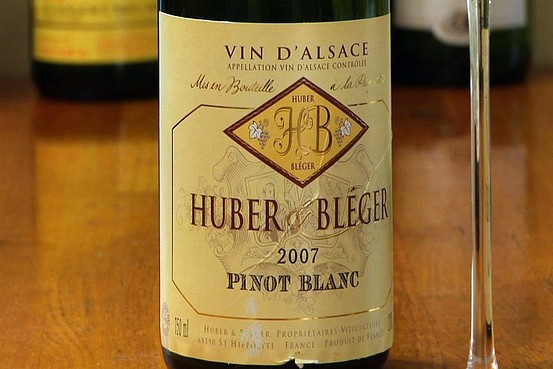
The index that we often include with the column is designed to give you a sense of what these wines taste like, at their best, and approximately what they cost. If you look for any specific label in any specific store, you will drive yourself crazy. In any event, just because we like a wine doesn’t mean you will. Trust your own tastes. And find a good wine merchant whom you trust. That is a key step in any wine journey.
If you haven’t already checked out WSJ.com/Tastings, please do. There, you will find our column, pictures of wine labels and our videos, in which we talk about the wines we’re tasting. In addition, we’re delighted to announce the new Wine How-To Guide, which includes all sorts of advice from our columns over the past 11 years. You can find that at guides.wsj.com/wine.