Jade Ritual Object


Jade ritual object was the jade ware used to offer sacrifice in ancient China. It was the symbol of power, rank, wealth and divine right.
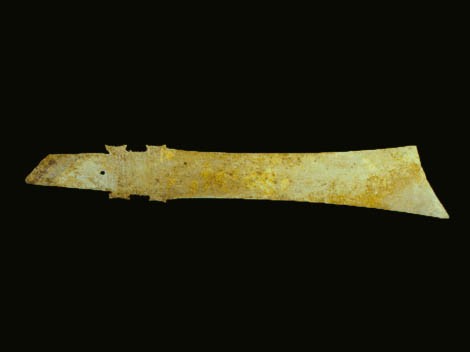
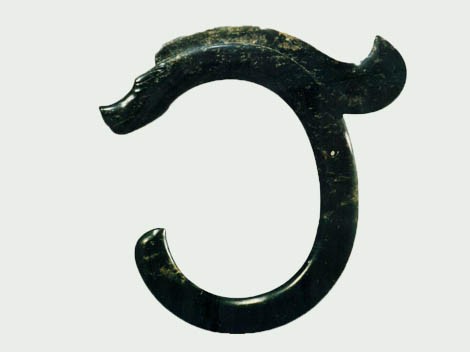
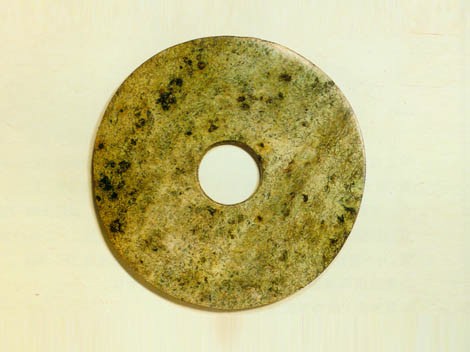
In fact, the jade ritual object was held as a holy object for the communication between man and gods early in the primitive society and slave society. From the remains of the Neolithic period that can be dated back to four or five thousand years ago, jade ritual objects have been unearthed in various forms, say, semi-circular, octagonal, elongated pointed, round flat, tomahawk-like, halberd-like and tablet-like, etc. In addition, there were jade tokens indicating totem and power, such as the jade dragon and bear unearthed from the remains of the Hongshan culture.
The jade ritual objects reached its first climax in the Neolithic period and its heyday in the late period of the Western Zhou Dynasty when round flat, elongated pointed, tablet-like, tiger-shaped exclusive jade ornaments were invented for different sacrificial objects and distinguish the social status.
The jade ritual objects were processed with the carefully selected materials in sophisticated technology. The design was exquisite and decoration beautiful and solemn, with free and smooth lines. They are of high historical, scientific and artistic value. However, the jade ritual objects began to decline in the Spring and Autumn Period and Warring States Period.