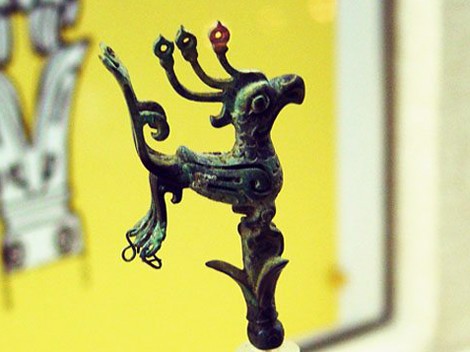
Guanghan Sanxingdui Ruins


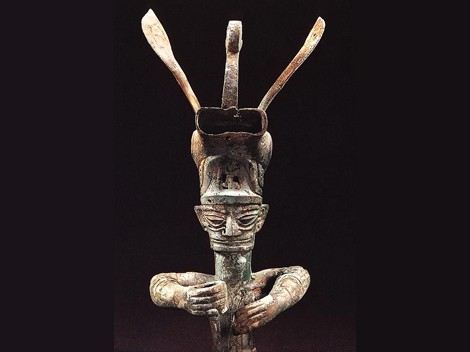
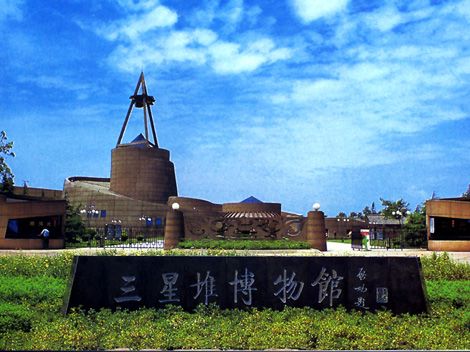
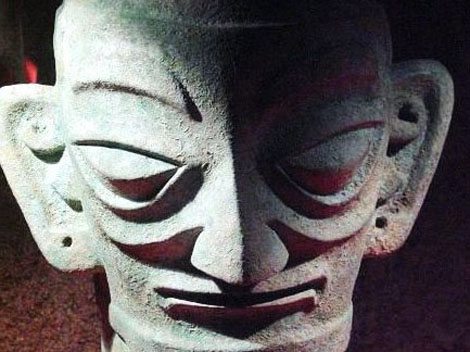
Sanxingdui, also called Guanghan Sanxingdui, which is situated in Southwest China’s Sichuan Basin, is the ruins of the Bronze Age in the middle and late Shang Dynasty. The name was entailed for that its appearance resembles three earth pits. The excavation began in 1980. Two large sacrificial pits of the Sanxingdui were unearthed in 1986, becoming instant stirring news in the whole world. More than a thousand pieces of priceless treasures were dug out, including bronze wares, jade wares, ivories, shells, earthen wares, gold wares, etc. The bronze wares include vessels, weapons, large standing human figures, head portraits, animal figures, and masks etc. The bronze head portraits feature exaggerated styling and rich local flavor; the standing human figures depict characters with big eyes, straight nose, square face, and huge ears. The human figures, with hats, long robes and anklets on, are believed to be prototypes of local people in ancient times. The highest figure measures 2.62m and is the world’s biggest and best preserved bronze upright human figure. In addition, 4m-plus-high divine trees are more amazing. The discovery of the bronze articles demonstrates the existence of large-sized sculptures in the Shang Dynasty, which were created by ancient Shu people. And for the first time, people get a chance to peek into the highly developed bronze civilization of the Kingdom of Shu in the middle and later period of Shang Dynasty and its unique charms. The articles are precious for their value in studies. Also excavated from the Sanxingdui ruins are the world’s two earliest gold wands, which are 1.42m in length and 700g in weight, with human heads, fishes, and birds carved on them.
The sacrificial pits are believed to be sites for the ancient Shu people to offer sacrifice to Heaven, Earth, mountains, rivers, and other natural gods. The upright figures and seated figures are respectively prayers and emcees, bronze animal-faced masks with protruding eyes and flat bronze animal-faced masks may be natural gods worshiped by the Shu people; bronze divine trees modeled upon real plants reflect the Shu people’s religious consciousness of plant worshipping.
The discovery of Sanxingdui shocked the world, but the history of the ruins remains a mystery. The bronze wares from the Sanxingdui we see today are but only small scraps of an immemorial and brilliant civilization. Where was the Sanxingdui culture from? Which clan did the residents of the ruins belong to? How did the advanced bronze manufacture techniques come into being? And how did they decline and die out? The archaeological project at the Sanxingdui ruins is ongoing. Mysterious and magnificent, the Sanxingdui civilization is a unique and dazzling page in China’s long history.