Treasures of Famen Temple


Originally known as Asoka Temple, Famen Temple is located in Fufeng County of Xi’an, Shanxi Province. It was first built during the reign of Emperor Ling of Han in the last years of the Eastern Han Dynasty, some 1,700 years ago. Nicknamed “the first ancestor of stupa temples in central Shanxi area“, the temple used to be an imperial temple.
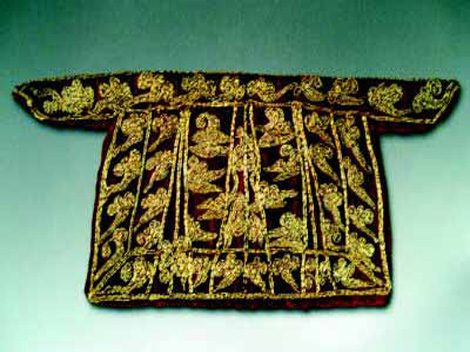
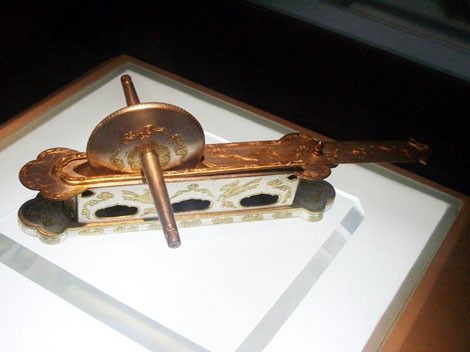
In 1987, a team of Chinese archeologists discovered the amazing underground palace often talked about in legends while cleaning the pagoda ruins at Famen Temple in Xi’an. They also discovered the real finger bones of Sakyamuni and thousands of imperial treasures of the Tang Dynasty that had been in secret storage in the glistening underground palace for thousands of years.
Walking inside the secret chamber, they felt as though they were in the prosperous Tang Dynasty thousands of years ago. There were tons of priceless imperial treasures of the Tang Dynasty. Inside the eightfold treasure case, a legendary Sakyamuni finger bone (replica bone) was found. The day of discovery happed to be Sakyamuni’s birthday in the lunar calendar. People couldn’t help but marvel the coincidence of the finger bone discovery. Later, another three finger bones were found in the white jade curtain, Asoka Stupa and the iron case in the secret niche respectively. The finger bone stored in the white jade coffin in the secret niche is the genuine finger bone and it is the only real finger bone of Sakyamuni’s remained in the world.
These precious relics are not only the paragon of classical oriental works of art, but also the important bases and clues for future generations to explore Buddhist culture and the Tang Dynasty civilization. This world-stunning discovery following that of Terracotta Warriors and Horses of Emperor Qin Shihuang’s Mausoleum was ranked “the ninth wonder of the world“ by UNESCO.
With the reappearance of Sakyamuni’s finger bones, Famen Temple is gradually becoming an international Buddhist pilgrimage center. In 2002, at the invitation of Taiwan, the finger bones were sent there for enshrinement and worship. Wherever the bones were on display, tens of thousands of pilgrims came to pay homage, creating a grand and moving scene.