Western Han Tombs in Mawangdui


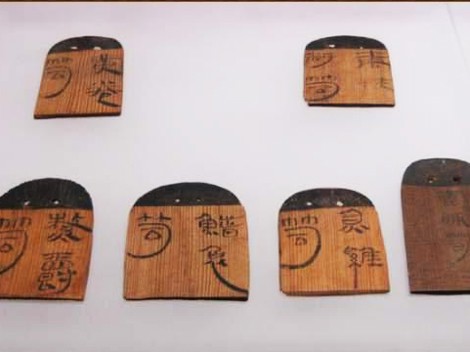
Three tombs of early Western Han Dynasty were excavated at Mawangdui in the eastern outskirts of Changsha in 1972, which were the tombs of Prime Minister Quanhou Licang and his family in the early Han Dynasty. A large number of rare cultural relics were unearthed from the tombs, providing critical physical material for the study of history, culture and social life in the Western Han Period of China.
Mawangdui (King Ma’s tomb) is so named because the place is said to be the cemetery of King Ma Yin of Chu in the Five Dynasties. Among the three tombs, Tomb No.2 is the tomb of Li Cang, Tomb No.1 for his wife and Tomb No.3 for his son, in which Tomb No.1 boasts the biggest size: 19.5 meters long, 17.8 meters wide and 16 meters deep. Now Tomb No.1 and No.2 are leveled up, and the third one is reinforced and newly built with large-span ceiling for visitors.
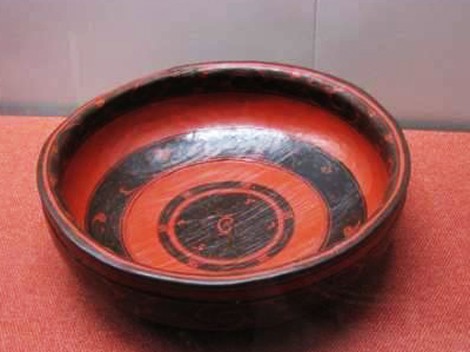
There are over 3000 pieces of precious relics unearthed from the tombs, most of which are well preserved. Among them there are 500 refined lacquers with magnificent patterns and colors as fresh as new, which are so far the best-preserved lacquers of the Han Dynasty in the largest amount unearthed in China. Tomb No. 1 is particularly embodied by a painted lacquer coffin in fresh colors, with clouds, tricky animals, gods and spirits in vivid postures painted on the surface, presenting a high artistic level. Also unearthed from Tomb No. 1 are large volumes of silk preserved in good condition, including the varieties of thin silk, damask, gauze, yarn and brocade.
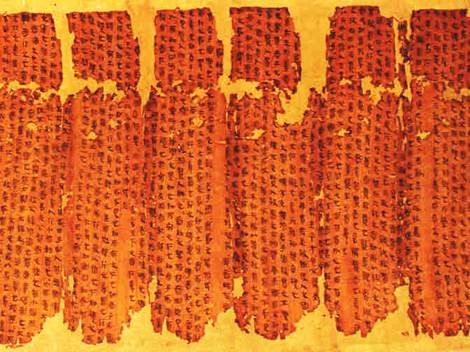
The silk paintings discovered in the location are the earliest extant works in large sizes depicting the real life at the time. Treasures including painted tomb figures, musical instruments, weapons, seals and silk manuscripts are also found there. Large volumes of silk manuscripts discovered in Tomb No. 3 feature rich contents related to the ancient philosophy, history and technologies totaling 28 volumes with over 120 thousand characters. Lost atlases are also found among the books. Relief maps from Tomb No. 2 feature amazingly approximate drawing techniques and marked positions with modern maps.