Claims: LI grape crop hurt by spring weather


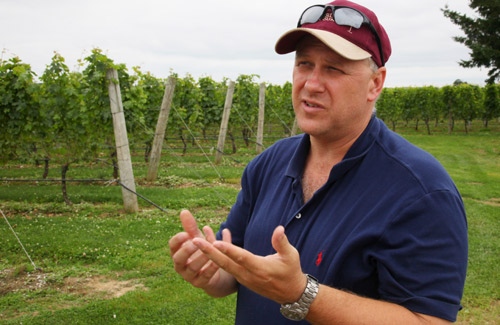
Long Island's grape growers appear to have sustained the most lasting damage from two months of record cold and rain during a critical stage in vine development, according to preliminary claims filed with the U.S. Department of Agriculture.
To date, claims that 140 acres of grapes were destroyed or damaged have been processed by the USDA's Farm Services Bureau in Riverhead, according to director Sue Pierzchanowski. The Long Island wine region comprises some 3,000 acres of grapes.
All other crops for which claims have been filed thus far account for another 250 acres of crop damage, the USDA said. These include spinach, lettuce, tomatoes, strawberries, cantaloupe, beans, watermelon, zucchini and cranberries.
Pierzchanowski said the numbers were preliminary because some farmers are trying to salvage crops and thus haven't fully tallied the damage, while others haven't yet filed or refuse to do so.
Grape growers, the critical suppliers to Long Island's winemaking region, are reported to have seen damage from hail and lashing rain, which destroys leaves and grape clusters, from fungus growth due to the wet weather, and from poor conditions during the critical fruit-cluster pollination and development period.
Peter DiBernardi, a newcomer to the wine region at The Hidden Vineyard in Calverton, Thursday estimated he lost 500 of 3,000 grapevines to wet weather on his property, while some merlot grapes on vines that did survive have "shriveled." It's a blow to DiBernardi, who two years ago lost 8,000 of his newly planted vines to water and other damage.
Jamesport Vineyard co-owner Ron Goerler said nearly 60 percent of his vines were impacted by unseasonable weather during the pollination and fruit development.
Joe Gergela, executive director of the Long Island Farm Bureau, said he's been urging all farmers who suffered damage to report it to the USDA, even if they don't expect to file financial claims, so that the total impact on the region can be tallied, and a disaster declaration can be expedited. Many farmers won't file claims because they prefer to keep government out of their business, he said.