Things not so rosé in Europe


Rosé wines are traditionally produced using a special technique of leaving the crushed red grapes to soak with macerating white grapes. Just like this New Zealand beauty pictured. But blending red and white wines will also produce a rosé of sorts, and that, says the European Union, is what’s needed by French, Spanish and Italian winemakers to attract new markets such as China.
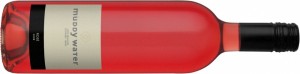
The intention is to legalise the blending of white and red wine. Only 2% red wine is required to provide the colour close to a normal rosé. The European regulations would allow winemakers with a global reach to unload large quantities of unwanted white wine.
The point of the E.U. decision makers is to have the ability to make extremely cheap, accessible plonk to cater for countries, like China, where wine sales have seen year on year growth within a massive market. Increasing exports can only benefit Europe.
The issue with those within the wine industry is that the aromas and the harmony and balance between acidity, alcohol and smoothness is neglected with this process. Therefore, there is fierce opposition to the idea of calling it ‘rosé’, which compromises the economy of genuine rosé wine.
In a recent statement, French Agriculture Minister, Michel Barnier, opposed the blending law. “We need to preserve the flavour and quality of local rosé wines. I like rosé, but I will not drink adulterated rosé.”
However, Barnier has come under fire from former French farming activist, Jose Bove, who branded him a “liar”. At the original vote on the European wine reforms in January this year, the French delegation, of which Barnier was a part of, chose not to vote against the plans, which included the rosé legislation.