Battleground Rosé


A huge explosion goes off. In a matter of minutes, countless barrels of wine are obliterated and left to soak into the floorboards. A covert group has attacked a winery to send the world a message. Whoa, wait…Is this the latest Jason Bourne movie? Did you say “winery”? Wine?! What the hell is going on?
I found myself reading a recent NY Times article to learn that the beautiful South of France is now at the epicenter of a wine war. A war complete with raiding terrorists, who are standing up for the authenticity of their wine by blowing up select wineries; it seemed to be a classic underdog story of farmer versus factory. A story about the ancient techniques of winemaking being overtaken by the dark forces of technology. But turns out its not so simple…
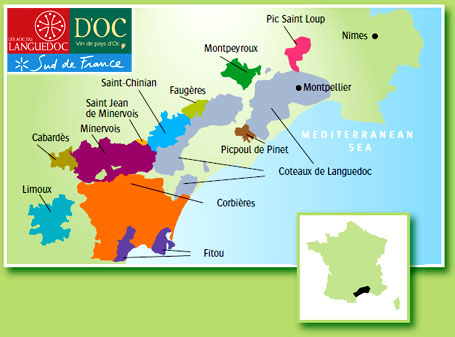
At the bulls-eye lies a wine style that many have dismissed, but many more have embraced (including myself): Rosé. So, how did this war begin, you ask, and just what is all the uproar about?
Well, the European Union is considering relaxing their regulations on just what constitutes the production and labeling of “Rosé”. When I first heard this, I was pissed off. One more example of capitalism rolling its slick-rimmed wheels over the little guy and tarnishing what made something special in the first place. It seemed clear: “EU, don’t fuck this up; keep Rosé pure!” But then I thought more about it. Is this a case of evil technology burying tradition? Or is it a case of misplaced regulation crimping on the winemaker’s art? It’s an interesting debate…
The heart of the question: can European winemakers legally blend white and red wines to make “Rosé”, or “blush”—a technique made famous by our boy Gallo in California. Why not, the advocates ask? The Americans and the Australians are doing it to great success. The world gobbles up their table wines like crack-fiends. But the opposition argues that the process of making true Rosé can’t be faked. They fought a long journey for respect and are finally seeing a share of the marketplace.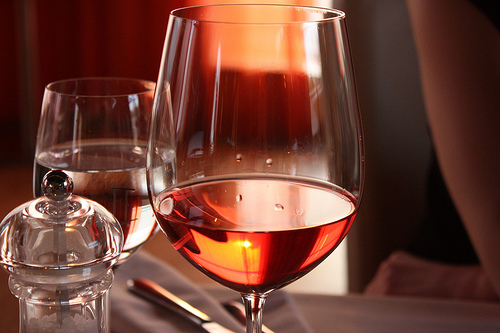
The traditionalists (the ones blowing up the vino) believe the very soul of Rosé is at stake. Sure, mixing red wine with white white will give you a pink wine that looks the same, but this isn’t Rosé in the traditional sense. It’d be like eating a sausage with a traditional casing, but one that is stuffed with sawdust. To make Rosé, the clear grape juice is fermented with the skins of red grapes (just like red wine), removing them when a partial amount of color has been transmitted. It takes time, and to fake this technique is an outrage–another example of Wal-Martization where quality and skill is thrown out in the name of speed. Screw the soul of it; if one can produce it faster, cheaper and get more people drinking it, they’ll never know that anything better exists. They’ll be drowning in it!
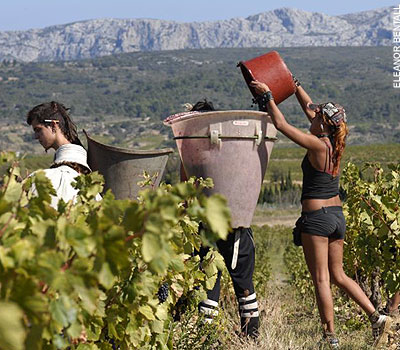
But then I thought about it. What if the winemaker wants to mix red and white? Is the result not a Rosé? We all know that Champagne is a blend of three grapes (two reds and a white), or that Côte-Rôtie winemakers can add white grapes to their Syrah, or that Chateauneuf can legally blend 13 grapes, including whites. If you can legally blend Cabernet with Malbec to make a better wine, who’s to say that blending a Gewurztraminer with a Pinot Noir won’t produce a delicious blend?
And if the industrial giants want to pump out loads of swill and call it “Rosé”, does that mean people will look no further? This seems to demean the intelligence of the wine drinker. In fact, could these “fake” Rosés serve as gateways to get more people on track to discover the “real” Rosés of the world?
Frankly, I don’t know the answer. Initially, I was reaching for the dynamite…but now I’m not so sure…what do you think?