Paris Hilton Prosecco wine sales sink


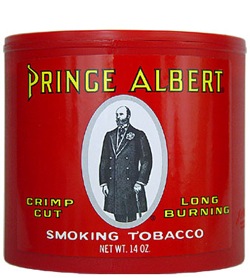 In the old days prank phone callers would ask about Prince Albert in a can, today they might ask: “Do you have Paris Hilton in a can?” The reason: no one knew or knows, or even cares, that the hotel heiress is the spokesperson for a brand of canned champagne-like effervescent liquid called Rich.
Beyond having Paris Hilton as its mascot, canned wine has a lot going against it, not the least of which is that nearly all the wine ever put in a can has pretty much been awful.
Wine first went into a can in 1932, about a year after the first amount of beer made it into a cylinder. Through no fault of the can the California winery that sold the stuff had been infected with a disease called Fresno Mold. This flawed wine was cloudy and stinky not just in cans but bottles, too. Ultimately the wine’s low ph and high oxygen ate through the metal.
The next attempts came in 1954. One was brilliantly named Kan-O-Wine California White Port, another, Mother Goldstein’s New York State 100% Pure Sacramental Concord Grape Wine Made with Excess Sugar, produced by Bacon Liquor Company of Hartford, Connecticut. No joke.
Seemingly wine-in-a-can believers resurface every twenty years and again, in 1971, the grape went back into tins. This time the French shipped canned Beaujolais to the United States. Another failure. In 1979, Villa Bianchi Winery of Kerman, California tired to corner the can scene with canned wine coolers and while these hung on into the 80’s the demand never grew much larger than the population of residents of trailer parks.
Again the consumer is being shown the can. Present day makers of wines in cans aver that the stuff inside is as good as anything you can find in a bottle and that problems with the fluid eating the container from the inside out have been fixed. There are even cans being made in Russia and elsewhere that are resin-lined that are supposed to enable the wine to age as it would in a bottle. Another ploy is to appeal to our want to save the environment. The canned wine crowd touts the packaging as being earth friendly -- which a can is but one wonders when they stopped recycling glass.
What’s strange about all this wine in a can is its origins. A cursory search for where, for example, Floot got their juice from turned up nothing. As for the Paris Hilton’s Rich Prosecco, all that can be said for sure is that there are offices in Ischgl, Austria. There are some brands that tout Tempranillo from Spain and real Australian Shiraz but that too can be pretty vague.
If the Rich Prosecco brand is any indication of how wine in a can is moving no one has much to be worried about. Even after Miss Hilton’s naked but the gold body paint stunt over 30,000 units of the canned wine are still sitting in a warehouse in Serbia. (Source: the not hugely reliable Sun out of London.)The London paper goes on to say that an auction house has been offering to sell the Prosecco-esque fluid in batches of 5,000 units at a deep discount.