Winemakers Take Their Green Practices Beyond the Vineyard Floor


Black isn't the only "color" being touted as the "new green" these days. Red, as in those precious Cabernet Sauvignon grapes that make up your favorite glass of vino, is seeing green too.
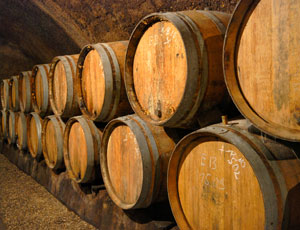
Napa Valley and Sonoma winemakers, known for their stellar wine production, are making huge strides in their efforts to grow grapes without pesticides or fertilizers. On top of this, they're also figuring out ways to ferment and age wine by means other than stainless steel and electric refrigeration. Buildings made of thick straw bales and packed dirt that's been re-purposed from cave excavations, are just a couple of ways wineries are providing natural insulation for ideal fermentation and aging.
Many other fine California winemakers are following the green path also; creating wines that truly show their unique characteristics by virtue of sustainable farming, keeping wines at a cool temperature in freshly dug caves and harnessing the sun by way of solar panels adapted to the common flat roofs of many a winery.
Taking its queue from the practice of eco-conscious farming, winemakers are taking advantage of all the different green measures available to them such as solar and biofuel power as well as reverting back to farming practices that have been around for thousands of years.
Frog's Leap's winery in Rutherford, which produces organic wines, is powered solely by solar energy and also employs a geothermal system in their hospitality building, removing the necessity for heating and air conditioning.
The practice of renewable policies also brings promise of returned investment. The Rodney Strong winery in Healdsburg spent $4-million on solar panels with the intention of recouping this in 10 years. Napa Valley's Nickel and Nickel winery not only installed thousands of solar panels on buildings, they've also found ways to harvest solar energy alongside their grapes, mounting panels on the surface of an irrigation pond that they've deemed "floatovoltaics."
In the end, most wine producers have their eye on what it takes to make a great wine and first and foremost, it's about taste and quality. But with changing climates and an industry that is infinitely dependent on the weather, complementing the sun's energy by means of sustainable practices, whether in the fields or on a building, are positive steps in maintaining the future of many a great wine.