Cooking 101: Improvisational cooking with regional flavors


Learning and mastering basic cooking techniques and recipes, and learning about classic regional flavor affinities will not only make you a better cook, but once you understand how a basic ingredient, recipe or technique works, you can begin to improvise.
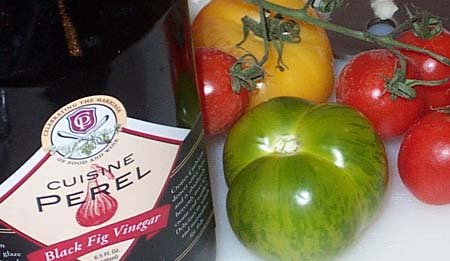
Pantry ingredients lead to inspiration and improv cooking.
Improvisational cooking is a creative, spontaneous style of cooking that frees you from strictly following recipes and allows an organic flow of ideas without the worry of failure.
Improvisational cooking requires nothing more than the courage to veer off the beaten recipe path, the imagination to ask "what if," and the inhibition to answer with a no-holds-barred adventure for trying something new. It also requires a well-stocked pantry, with a combination of long-lasting pantry staples and weekly perishables, a notebook and pen.
And inspiration can come from anywhere – a restaurant you visited the night before, the local farmer’s market overflowing with organic just-picked produce, a cookbook, a neighbor’s garden, a craving.
How to improvise, step-by-step:
Designate a notebook or sketchbook just for recipes and cooking - jot down ideas, favorite flavors, inspirations and recipes.
Begin with a basic recipe and either print the recipe, or write the basic recipe into your notebook.
Follow the recipe exactly the first time you make it, using your notebook to write down any mishaps, victories, observations and ideas for the next time.
Plan to make the recipe again, but this time, play with the ingredients a bit. Instead of using lemon, try orange. Instead of cilantro, perhaps oregano. Instead of pan frying, what happens if you used a braising or slow roasting technique? Or what would happen if you add a spice traditionally used in sweet dishes, such as vanilla or cinnamon, into a savory recipe?
Write down all of your improv ideas, try them out, and record your results. Continue this process. Each time you improvise, you've actually created your own recipe.
Tapping into classic, regional flavor affinities will help build your repertoire and style of improvisational cooking. A few of the most popular regional foundation flavors are:
American: smoked ham and bacon, butter, onions, cinnamon, nutmeg, clove, vanilla, sage, cider, maple syrup, molasses, bourbon, pecans and peanuts.
Indian: garlic, ginger, chili peppers, cardamom cinnamon, cloves, coriander, cumin, fennel seed, mustard seed, saffron, turmeric, cilantro, limes, yogurt, coconut.
Mediterranean (Southern France, Italy, Spain): olive oil, garlic, onion, tomato, sweet peppers, fennel, thyme, basil, oregano, parsley, rosemary, lemon, orange, wine vinegars, pine nuts.
French: butter, smoked bacon, cream, walnut and hazelnut oils, leek, shallot, garlic, tomato, nutmeg, vanilla, sage, tarragon, thyme, bay leaf, sorrel, chives, lavender, capers, mustard.
Italian: olive oil, pancetta, butter, garlic, onion, tomato, peperoncino, sage, rosemary, basil, oregano, parsley, balsamic vinegar, lemons, Parmigiano, anchovy, pine nuts, walnuts.
Greek: garlic, onion, tomato, cinnamon, cumin, dill, mint, parsley, oregano, lemon, yogurt, honey, olives, pistachios, pine nuts, walnuts.
Asian: roasted sesame oil, garlic, scallions, ginger, chilies, cilantro, rice vinegar, soy sauce, fermented black beans, wasabi, miso, mirin, lemongrass, basil.
Latin: garlic, onion, chili peppers, tomato, cinnamon, oregano, cumin, achiote, black pepper, cilantro, lime, orange, coconut, pumpkin seed, avocado.
Many regions use the same flavors, spices and ingredients, but with different amounts and emphasis. Middle East and Mexican cuisines, for example, are known for incorporating fragrant cumin. By adding cumin to your list of pantry staples, you'll be ready to transform a basic American baked chicken or fish recipe into your own creation, infused with Middle East or Mexican influences.
The more you improvise, the more familiar and comfortable you'll become with a wide variety of ingredients and techniques. Soon, you'll have an arsenal of original recipes that reflect your cooking style. And from there, you can begin to improvise further, creating even more complex combinations of flavors.