The Halls and Chambers of Garden Residences


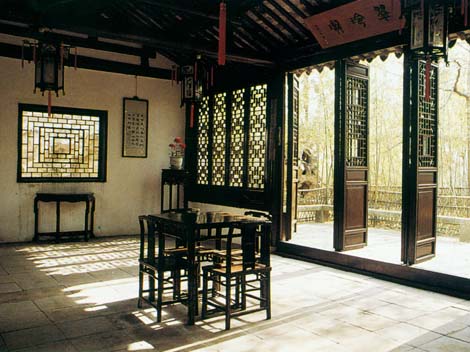
Halls and chambers hold an important position in Chinese architecture as part of a garden residence. Architecturally speaking, "a hall" dates back a long time in China. It was even recorded in pre-Qin dynasty documents. The term "hall" originally referred to the foundation of a building and later took on the meaning of a kind of architectural structure.
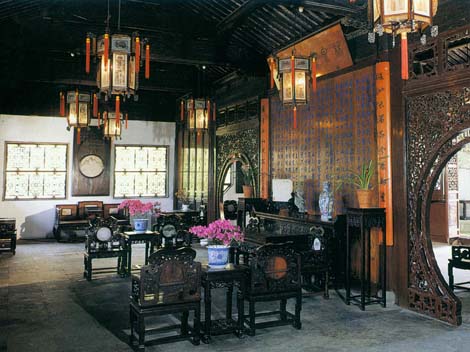
In ancient times, a hall was a solemn place for learning knowledge, politics and etiquette. The emergence of the word "hall" or "ting" in Chinese occurred at a relatively late stage and formerly meant the big hall of a governmental building. Today, the word "hall" and "chamber" ("tang" in Chinese) are interchangeable or combined to mean a hall or a chamber. In general, it refers to a room for receiving guests, holding feasts and various rituals. A hall is usually taller than any other part of a building, due to its symbolic and public nature.
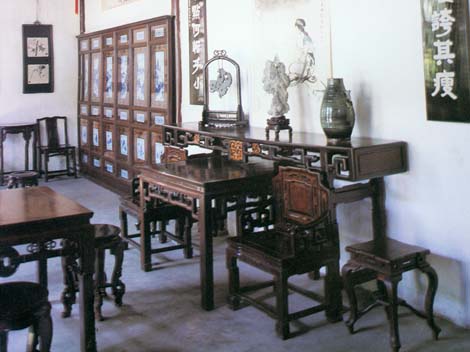
According to the function a hall serves, there are various types of halls, including residence halls, garden halls, government office halls and temple halls. Among them, residence halls are closest related to people's daily lives.
The architectural style of a hall is restricted by natural conditions and under the influences of the times and society.
Meanwhile, a hall is usually a mirror of aesthetic, artistic and philosophic ideas. So, you can sample traditional Chinese culture while appreciating the distinctive halls and chambers of Chinese garden residences. You can also get a sense of the interests, ethics and ideals of ancient Chinese scholar-officials and men of letters.