Edgy Winegrowing at Unified Symposium


High-elevation, high latitude viticulture to be featured in full-day seminar
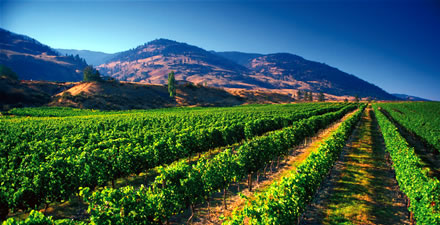
The low-slanting rays of a long summer day light this Okanagan Vineyard. Photo: Brian Sprout.
Sacramento, Calif. -- The 2010 Unified Wine & Grape Symposium will feature elevated discourse on its final day, Jan. 29. High Elevation/High Latitude Seminar: Wine Growing on the Edge will examine challenges and rewards for producers in once-unlikely regions.
Glenn McGourty, the seminar coordinator, is the University of California Cooperative Extension advisor for Mendocino and Lake counties, as well as a Wines & Vines columnist. Among the presenters at the full-day session will be Vittorino Novello, viticulture professor at the University of Torino in Italy’s lofty Piemonte; Dr. Pat Bowen, viticulture and plant physiology scientist at the Pacific Agri-Food Research Centre, Okanagan, British Columbia; John Buechstenstein, UC Davis instructor and co-owner of Sauvignon Republic, a producer of international Sauvignon Blanc wines, and Dr. Gregory Jones, professor and climatology researcher at Southern Oregon University.
Specific high elevation/high latitude regions to be featured will be Washington, Argentina and New Zealand, plus the California regions of the Sierra Foothills, Lake County and Pacific Coast. For the purpose of this seminar, McGourty said, “Anything over about 1,000 feet in California will be considered high elevation.”
Altitude and latitude share more than just the letters that spell them. According to McGourty, the two measurements are correlated. They have similar but distinct effects on ecosystems and viticulture. Moreover, he said, “Ecologists tell us that with the changing climate, the ecotome (similar vegetative and animal life in a specific spot) is moving upslope.”
The seminar, he said, will include descriptions of what people are doing now in terms of managing vineyards and unique terroirs; where wine is grown now and how that affects its flavors.
Pat Bowen told Wines & Vines that B.C.’s Okanagan Valley represents the highest latitude winegrowing region in North America, similar to Geisehneim in Germany. She and her colleagues have discovered that this far north, light levels and solar angles have major implications for grapegrowing, especially with regard to slope aspect and row orientation. One experiment with Chardonnay revealed “huge effects” on grape and wine aromas, she said.
Bowen also will talk about how site selection can help in dealing with harsh winters: “Last winter was the first major winter damage we’ve had here,” since the industry was established in the Okanagan. She and her cohorts studied how wind machines can scour out basins where super-cold air lurks, and warm them just enough to avoid killing dormant vines.
Bowen has specialized in GIS-based mapping to determine the influence of vineyard soils, mesoclimmates and management practices on vine development, grape composition and wine sensory attributes. She noted that winegrowers in her part of inland British Columbia benefit from long summer days, warm winter weather systems from the Pacific and the moderating effects of large lakes that mitigate the altitude (Lake Okanagan’s elevation is 1,122 feet) and the latitude: Gray MonkEstate Winery boasts a line of Latitude 50 wines.
“We have cactus here, lots of sunshine; it’s a desert here,” Bowen said cheerfully. She did note that an extremely warm, “summery” September brought most Okanagan grapes in earlier than normal this year. So even growers in high altitudes/latitudes may find themselves adapting to climate change before too long.
The Unified Wine & Grape Symposium will be held Jan 26-29 in Sacramento. Watch for more symposium previews in the December and January issues of Wines & Vines. For registration information, visit unifiedsymposium.org.