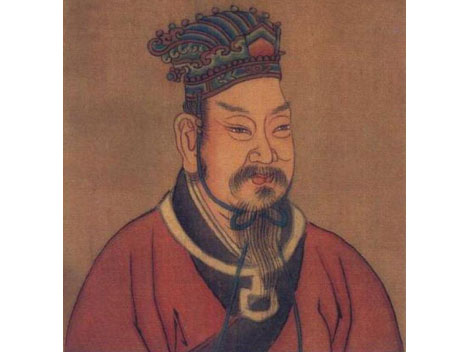
Emperor Jing of Han


Emperor Jing of Han (188 BC–141 BC) was an emperor of China in the Han Dynasty from 156 BC to 141 BC. His reign saw the limit and curtailment of power of feudal princes which resulted in the Rebellion of the Seven States in 154 BC. Emperor Jing managed to crush the revolt and princes were thereafter denied rights to appoint ministers for their fief. This move consolidated central power which paved the way for the glorious and long reign of his son Emperor Wu of Han.
Emperor Jing had a complicated personality. He continued his father Emperor Wen's policy of general non-interference with the people, reduced tax and other burdens, and thriftiness, due to Taoist influences of his mother Empress Dou. Indeed, he continued and magnified his father's policy of reduction in criminal sentences. However, he was also criticized for general ungratefulness, including harsh treatments of Zhou Yafu, the general whose abilities allowed his victory in the Rebellion of the Seven States, and his wife Empress Bo.
As fore mentioned, Emperor Jing was a complicated character. His reign, along with that of his father Emperor Wen, known as the Rule of Wen and Jing, was considered to be one of the golden ages in Chinese history. However, it is also apparent from his actions that he lacked the warmth and openness his father had, and in many ways his reign was marked by political intrigue and treachery. Emperor Jing can also be credited for furthering the study of Taoist text after he recognized the Tao Te Ching as a Chinese classic during his rule.