Wine and women boost liquor sales


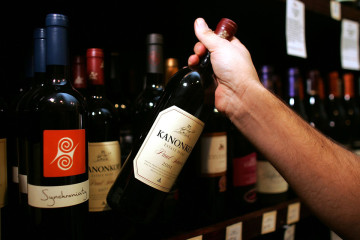
Canadians are drinking 12 per cent more than they did in 1998, according to
Statistics Canada, and some industry watchers are attributing a significant
portion of the increase to women.
The large rise in consumption – as high as 24 per cent in Prince Edward Island –
is thought to be the result of a number of factors: a broader product assortment
that tends to attract women, successful marketing strategies targeting both
sexes, and boomers who are experimenting with more sophisticated ways to
entertain.
Beer sales in Canada have been consistent and Statscan says it is men who tend
to drink that beverage.
Wine sales, however, have tripled in some parts of the country. Alan Middleton,
a marketing expert at York University, largely attributes this boom to women.
Prof. Middleton said that as retailers expanded marketing campaigns for wine and
mixed drinks over the past decade, women consumed more of those beverages as
alternatives to filling, harsher-tasting beers and brown liquors.
Canadians' growing love of wine helped boost alcohol sales across the country,
especially in the Atlantic provinces. Sales increases in PEI were aided when
liquor stores began to carry canned beverages in 1998. Those drinks were
previously unavailable because of a provincial environmental law.
Rick Perkins, a spokesman for the Nova Scotia Liquor Commission, said that over
the past decade retailers have become more savvy as their customers' drinking
habits evolved.
“There was lousy product assortment in the nineties,” he said. “In the last five
years in the case of Nova Scotia, in the last three to four years in the case of
PEI and New Brunswick, there has been a lot better selection of product.”
Provinces across the country also began updating their liquor stores as more
people embraced alcohol as a staple for entertaining.
“Turning really miserable retailers that looked like you should cross yourself
three times and feel guilty when you walked through the door into nice places
was a success,” he said. “The LCBO is the perfect example of this. It's now a
fun place to go.”
Chris Layton, spokesman for the Liquor Control Board of Ontario, concurred. Ten
years ago, he said, some of the stores were fairly dated and did not have
services customers have now come to expect, such as wine and food-pairing
recommendations.
“Any of the marketing programs will recommend food matches for products, will
talk about the enjoyment of the products we sell in the context of
entertaining,” he said. “It's very much moving people in the direction of
enjoyment and entertainment.”
But with more drinking come more drinking-related problems.
“There are very clear relationships between consumption and harms that can
result from excessive use of alcohol or alcohol abuse,” said Robert Mann, a
researcher for the Toronto-based Centre for Addiction and Mental Health. “That
includes violence like suicide and homicide but also includes physical health
problems like liver disease and alcohol-related cancers. As alcohol rates
increase, the damage increases, too.”
Although drunk-driving rates have significantly improved since the 1980s, they
have been at a standstill for the past 10 years. A report released this year by
Mothers Against Drunk Driving states that the number of fatally injured drivers
who were intoxicated has remained static, hovering around 35 per cent since
1999.
Statscan has also reported an increase in deaths as a result of cirrhosis – a
liver disease commonly caused by alcoholism – from 2000 to 2005.