Wholesalers Get Congressional Hearing


Lobbyists seek limits on court powers to address protectionist state laws
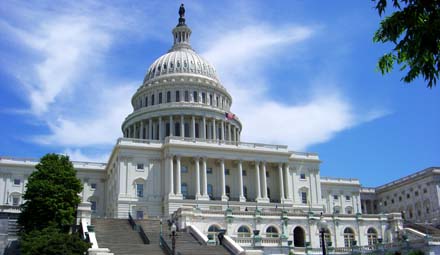
Washington, D.C. -- Bill Nelson, president of the national wine group WineAmerica, forwarded the following editorial analysis of a recent hearing at the United States Capitol:
Reacting to lobbying by the National Beer and Wine Wholesalers Association (NBWA), a Congressional subcommittee held a hearing March 18 to receive testimony about “Legal Issues Concerning State Alcohol Regulation.” The purpose was ostensibly to decide whether federal courts should have the power to prevent states from enforcing protectionist and discriminatory state alcohol laws. There was virtually no advance notice of the hearing, which made it extremely difficult to respond to the complex issues under consideration.
NBWA’s lobbying is the result of concerns that large retailers and global brewers are preparing to crowd beer wholesalers out of the U.S. market. NBWA’s main tactic has been to argue that lawsuits following a landmark 2005 Supreme Court decision outlawing protectionist state direct-to-consumer shipping laws could eventually strip states of their power to regulate alcohol.
This was echoed by several hearing witnesses who testified that total deregulation of domestic alcohol markets would lead to alcohol abuse. The example offered up repeatedly referred to recent problems faced by Great Britain in the wake of regulatory changes that greatly expanded hours of sale and allowed alcohol to be sold virtually anywhere at extremely low prices. There was also a good deal of testimony that ongoing litigation is proving distracting and expensive for states.
California counterpoint
Representative Mike Thompson (D-Calif.) argued, however, that comparing alcohol regulation in the U.S. to the problems in Great Britain is like comparing “apples to lemons.” As the Supreme Court has made clear, state enforcement of the three-tier system is constitutional. The 21st Amendment gives states great power to promote temperance, collect revenue and establish orderly markets.
Underlying the March 18 hearing is an NBWA request for sweeping federal legislation that would largely strip away court powers to enforce the commerce clause and federal antitrust protections against state laws that deal with “any matter involving” wine or other alcohol beverages. These federal limitations have been used by wineries and other parties to strike down discriminatory direct-to-consumer shipping laws and monopolistic pricing controls designed mainly to protect the profits of local businesses.
Litigation has been a control against overreaching state laws that abuse regulatory power; this should not be a power removed lightly. U.S. Rep. George Radanovich (R-Calif.) referred to the problems of the proposed NBWA legislation in his conclusion to the hearing: “What they fear is nothing less than the U.S. Constitution and the antitrust laws.”
Whatever the validity of NBWA’s concerns, the solution they offer is bad policy. As Rep. Lamar Smith (R-Texas) suggested, the complex field of alcohol regulation is “not susceptible to quick solutions.” The language offered by NBWA is a quick, overly broad and far reaching solution. Such a drastic change in the legal environment is certain to be problematic.
The scope of the proposed beer wholesaler legislation is so broad that it’s sure to lead to unintended consequences. As part of his testimony, Prof. Darren Bush of the University of Houston Law Center offered clear evidence that congressional grants of immunity from federal antitrust laws and dormant commerce clause provisions always leads to unintended results. States will pass many peculiar laws that claim to “involve” alcohol, and use that authority to favor in-state businesses.
New federal legislation is not needed to help states accomplish their legitimate regulatory goals. What the wholesalers are seeking -- and what the courts have increasingly denied -- is protection against competition. If states reined in their anti-competitive and protectionist tendencies, they would have nothing to fear from litigation.
Federal courts have always been the authority of last resort in the U.S., and a way of offsetting and limiting political overreach. The issues they have resolved in recent years are issues at the margin of alcohol law that do not threaten thoughtful regulation.