High on Thai wine


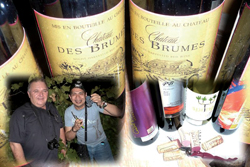 Shiraz juice on the rocks is wonderfully cooling on a hot summer day. Our little band of chefs, culinary-arts students and wine enthusiasts discovered that on the sunlit terrace overlooking the vineyards of the Village Farm Winery. “We’ve blended Black Muscat, a table grape variety, with Shiraz to make this non-alcoholic drink,” explained Khun Virawat, the amiable, silver-haired proprietor of the winery. “The set-up here is simple, the facilities rustic, but please make yourselves at home,” he added, with just a hint of apology. I found the Shiraz juice as refreshing as Mr. Virawat’s sincere welcome.
Curiosity and the promise of participation in a grape harvest had brought us to this upland region about three hours’ drive from Bangkok. Here, on the fringes of the Khao Yai National Park, three trend-setting wineries offer a glimpse into Thai winemaking.
The Village Farm and Winery
THE idea for making wine began here in 1997, when visiting friends from France urged Khun Virawat to grow wine grapes, apart from the estate’s regular crop of flowers, exotic fruits and Arabica coffee beans. Set about 500 meters above sea level, the vineyards are mostly devoted to Syrah and Cabernet Sauvignon. The early-morning mists singular to the region inspired the winery’s premium range—Château des Brumes (brumes is French for “mists”)—varying blends of Shiraz and Cabernet Sauvignon aged in new French and American oak barrels. Jacques Bacou, a ninth-generation winemaker from the Corbières, supervises the night harvest every February and the winemaking operations in an underground stone winery. Immediately after the night harvest, the grapes are transported to the winery to be prepared for fermentation, with the sorting and crushing accomplished well before dawn. The first vintage was in 2002.
Mr. Virawat had so generously offered us a taste of almost all of the estate’s current releases at lunch and at the postnight harvest dinner. Standouts were the Château des Brumes La Fleur 2004 (62-percent Shiraz, 38-percent Cabernet Sauvignon), with its generous aromatics and flinty, earthy profile; and the Ma Chérie Rosé 2009 (100-percent Shiraz), crisp and dry, its raspberry-strawberry finish a delightful counterpoint to the warm afternoon and the subtly spiced roasted pork belly at lunch.
PB Valley Khao Yai Winery
THE name of the winery is taken from its owner’s initials Dr. Piya Bhirombdhakdi, who began initial plantings in 1989 with over 50 grape varieties—before settling on Shiraz, Tempranillo, Chenin Blanc and Colombard. Considered the largest and most technologically advanced in Southeast Asia, PB Valley is also the pioneer winery in the region. Its first vintage of Shiraz, Chenin Blanc and rosé was in 1999 with German-trained winemaker Prayut Pinagbunta, who has the distinction of being the first Thai winemaker. But it was Joolpeera “A” Saitrakul, the New Zealand-educated, Pegasus Bay-trained winemaker and assistant manager, who led the tour through the winemaking facilities and, then later, led us through the wine choices at lunch.
Apart from its wines, served since 2002 on all Thai Airways international flights, PB Valley is also renowned for the Great Hornbill, its wood-beamed country-style restaurant that offers panoramic views of the surrounding vineyards. “A” had chosen the Rosé Khao Yai Reserve 2008, a Shiraz-Colombard blend, and the Sawasdee Chenin Blanc 2008 to pair with the Thai-inspired menu, dominated by the spiced, deep-fried German pork knuckles (the chef is German, after all) and a delicate green chicken curry. I thought both wines reflected the bright, fresh, exuberant character of New Zealand wines.
GranMonte Asoke Valley
THE list of awards garnered by GranMonte wines is staggering—and growing. Visootha (Nikki) Lohitnavy is winemaker here, an oenology graduate (with honors) at the University of Adelaide, who also had a stint at the Wolf Blass Winery. Nikki lays claim to being the first Thai lady oenologist, an obvious source of pride to her dad, Visooth, the winery’s CEO and managing director (also current president of the Thai Wine Association). Another impressive achievement is the estate’s winemaking collaboration with Hubert de Boüard of Château Angelus, the St-Emilion premier grand cru.
Syrah, Tempranillo, Cabernet Sauvignon, Chenin Blanc and Viognier are grown on the almost 40-acre spread, located 350 meters above sea level in the Asoke Valley. The Sakuna Rosé Syrah 2009 and the Sole Chenin Blanc 2009 share the same ripe fruit-bright acidity profile, underlined with a subtly sweet finish. The reds, particularly the Primavera Shiraz 2006, are likewise fruit-driven with savory, herby aromas and rich tannins.
Like GranMonte, all the wineries operate restaurants, lodgings and shops that have generated more tourists than wine revenue. But at the rate Thailand’s “New Latitude Wines” are winning awards, the time is near when wines are more the attraction than the red-wine body scrub.