More over, France: Is German Riesling the best wine for Chinese food?


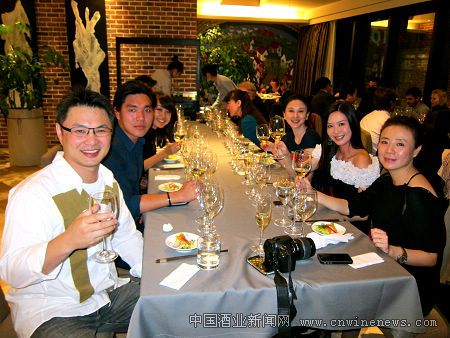
Photo: Courtesy of Kristen Lum
By Michael Gold
France and Germany have had a close and tumultuous relationship for centuries, but if their respective culinary traditions are any indication, they might as well be on different planets. Wine, in particular, is a notoriously French bailiwick - try asking any casual wine drinker, especially in China, to name a German brand and you're likely to be met with a dumbfounded shrug. If Thomas Chaffin has his way, however, the distinctly German Riesling, a white variety grown along the Rhine River, will earn its rightful place alongside French classics.
As the export manager of the Robert Weil winery, which furnished the pairings for a special evening of wining and dining at Kariaya Spice House on Saturday, Chaffin stated his case for not only the primacy of whites in the pantheon of great wine, but also the special status of Riesling, particularly when paired with Asian cuisine.
"Our Rieslings have the right balance of low alcohol and moderate acidity, which helps to freshen up and give a balance to the spicier dishes of East Asian cooking," he said. "Particularly because - and let's be frank here - German food is not terribly dynamic, Riesling is an ideal mercenary, as it fits with food completely alien to the German palate."
Running through four Riesling varieties, ranging from dry to sweet and from well-matured to relatively fresh off the vine ("infanticide" as Chaffin called it), the dinner presented an interesting case for a marriage of Chinese cuisine and white wine, at times successful and at times a bit more head-scratching. Where the mildly seasoned steak strips served as an excellent foil for the flowery aroma and somewhat heavy, honey-sweet scents of the 2007 vintage Sp?tlese, the more home-style marinated fish course roundly overwhelmed the delicate fresh-fruit tones of the Kabinett.
Dinner host and Hatsune Restaurant Group founder Alan Wong said the dishes' usual spice load was a bit lighter than usual, in order to let the wine shine through, indicating something of a steep climb toward Riesling dominance of a Chinese wine list, despite the wines' ostensible diversity and panache. Chaffin, however, characterized the Riesling story overall as one of constant experimentation, as German wine tradition doesn't usually emphasize food pairings.
"Traditionally people always drank wine either before or after the food in Germany," Chaffin said. "But with the Riesling's refined aroma, hints of different fruits and floral components, varying levels of spicy components and just a tiny bit of flintiness, it really is the perfect complement to East Asian dishes."