Sometimes being `hot' isn't so desirable


 Alcohol levels in wines are rising and reflect an interesting dichotomy within the wine industry. On the one hand there are producers working on introducing more low alcohol wines to their portfolio to meet growing interest and demand.
On the other hand, there are those who want to drink wines that have big, ripe fruity flavours and as we've said before, alcohol is a part of that full flavoured mix.
Then there's the issue of quality, because unless the alcohol is in balance with the rest of the wine's makeup, you don't get a quality tasting experience.
We have no problem with the emergence of higher alcohol wines so long as people drink with discretion; getting plastered results in approbation and puts the fine wine industry into disrepute.
The issue of `quality' in relation to high alcohol is a thorny one. Quality is the term being used with staggering regularity as the wine industry struggles to recover from a bout of making production-led decisions – those decisions should have been market led.
High alcohol levels are an acceptable component of a high-quality wine if the wine is well made and kept in balance (the varietal characters aren't masked by alcoholic heat). A wine that delivers a hot sensation on the palate as opposed to having warm spicy flavour (think pepper, ginger or nutmeg) means the wine is out of balance and in our mind, lacking in quality.
How does a wine finish up with high alcohol? It starts in the vineyard. In the quest for quality over quantity grapes are being thinned to unprecedented levels to lower the threat of botrytis and the lighter crop is capable of hanging on the vine for far longer, reaching maximum physiological ripeness.
Looking over what has been happening internationally, `hang time' became an issue in California in the middle of the last decade. Growers made it clear they didn't like being forced to let grapes over-ripen on the vine, increasing risk should the weather turn and reducing yields as grapes begin to dry out and become more concentrated. It's no good growing a light `high quality' crop if you aren't getting a cheque commensurate with the quality over quantity ethos – something growers throughout Marlborough will testify to right now.
The high sugar content (brix) in very ripe fruit is the key contributor to high alcohol when the fermentation process takes place. The accumulation of sugars in the fruit also contributes increased intensity and complexity in the finished wine.
Sugars in the berries can be controlled by ensuring there's a smaller leaf area on the vine (less canopy), some water stress during key times within the fruiting cycle and even limiting water and stopping vine growth prior to veraison – switching the vines' metabolism over to maturing the fruit and in red wines, maturing the tannins.
Our recommendation is to always check the amount of alcohol in a wine before you drink it and have a glass of water to sip alongside your wine – it keeps you hydrated, cleanses the palate and helps reduce the effects of alcohol.
A final word, high alcohol wines do benefit from being poured into a carafe or jug and allowed to breathe a little before drinking; whip off the screw cap, pour a half a glass and then leave the wine in the opened bottle for a time. You'll let some air into the bottle and notice an enjoyable difference.
Cheers in Hindi is "Apki lambi umar ke liye".
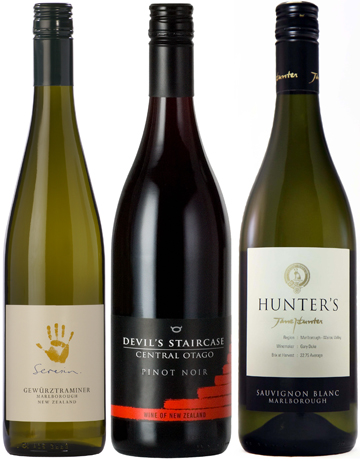
Devil's Staircase Central Otago Pinot Noir 2009 (about $22)
Here's a fine example of a wine at 14 per cent alcohol drinking beautifully.
It's crimson, clear, brilliant and good looking in the glass. The aroma is a lovely blend of young plums and blackberries with underlying barrel notes and nuances of tar, dried herb and pepper.
The palate is sweet, juicy and ripe with some real mid-palate intensity. Dark fruit and plums and vanilla pod flavours remain generous out to the aftertaste. Smooth, silky and supple, this wine combines alcoholic sweetness with balance – a lovely wine worth seeking out; available at fine wine retailers or go to rockburn.co.nz
Seresin Marlborough Gewurztraminer 2009 ($30)
This one has 14 per cent alcohol. A gentle aroma with notes of rose Turkish delight, vanilla, lemon sherbet, loquat and lychee.
The palate initially delivers some crisp flavour teamed with a sherbet-like acid tingle opening up mid-palate with vanilla, mandarin, and rose-scented Turkish delight flavours. An intensely flavoured wine that's rich, warming and delivers some gingery spice and alcoholic heat towards the finish.
Quite textural, it leaves a sticky, slightly sweet Turkish delight coating on the tongue yet the overall impression is of a reasonably dry style.
Very enjoyable lightly chilled.
Hunter's Marlborough Sauvignon Blanc 2010 ($16.90)
The lifted, pungent aroma is a crisp classic blend of gooseberry, citrus, tomato leaf and capsicum – sharp, edgy with some pineapple and passionfruit richness peeking through.
The palate is crisp, zingy and cleansing making this a perfect warm weather wine. The clean fresh taste of Marlborough is here in spades – lemon, gooseberry and passionfruit in a fleshy, weighty wine that leaves a glorious aftertaste. Another beauty from this reliable producer.