Know your wine shop


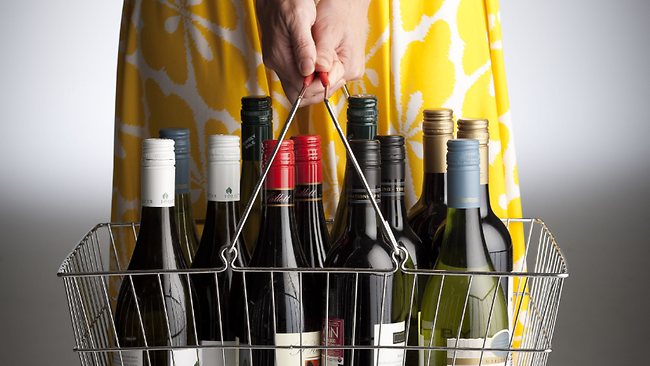
TASTE .. woman holding a shopping basket of wine bottles Picture: Sam Mcadam Source: The Advertiser
NEED a trip to the bottle-o to celebrate, or simply to top up the wine rack? The options are endless, from bargain cleanskins to thousand-dollar cult drops. But how do you choose?
One shop is offering to lick everyone's liquor prices. Another reckons nobody beats him. Then there's the one which offers to sell you a highly rated 94-point Eden Valley riesling for $13.99 across any dozen. One bottle will cost you $15.99 its recommended retail price is $21.99. If you buy 13 to the dozen they'll charge you $12.91 each. Phew.
Need a calculator? No, you need a professional hit man who knows every aisle, every bargain bin, how to get around a confusing maze in 30 seconds as well as what vintage Barossa grenache beats which Hunter vineyard shiraz when matched with a Shanghai braised beef hotpot. Talk about a renaissance man.
One of the greatest challenges in becoming a smarter wine buff is not knowing every Grange's best drinking window but how to negotiate all the bargains, cleanskins, private labels and the latest mystery imports from Spain to Canada bidding for your meagre drinks budget.
Start of sidebar. Skip to end of sidebar.
End of sidebar. Return to start of sidebar.
One thing's for certain, maybe there's too much choice not surprising given there are close to 2500 Australian wine producers and more than 50,000 brands.
Go into any major bottle shop, from the big barn guys to more specialised independent stores, and you face aisles and aisles of recognisable premium brands as well as barely labelled cleanskins which can seem initially quite a lure at $2 to $10 a bottle but may be worth a more discerning look as you negotiate the survival course that the bargain basement sector of wine retailing has become. Start here, with the taste guide to buying wine.
CLEANSKIN CONFUSION
The big stores like Dan Murphy's or First Choice usually stock scores of barely labelled bottles known as cleanskins. The perception these are a step up in quality from casks is unfounded. Often smaller casks are way better.
Cleanskins can be awful. Rule one is to get smart, buy one each of several cheapie bottles of the varieties and styles you like, and try them over a few days. Note the code or batch numbers you like and get the same next time.
Some cleanskins are actually double the price of a bargain-branded label, and because region or vintage may count for little in the $2-$10 cleanskin bracket cheaper labelled bottles often are a better option.
And last but not least: don't get sucked into buying six or 12 in a frenzy just because you're about to save money. You're only saving $1-2 max on a dozen of cleanies. That's less than one basic bottle on its own and not worth the discount if the wine is swill.
BAGGING A BARGAIN
This is where you can score big time. Keep an eye on newspaper ads, pick up a shopfront catalogue. Dan Murphy's put their very top bargains in high-viz store spots, advertise heavily and sell heaps because they do huge volumes.
They're known as "loss leaders" to get you in and spend more dollars elsewhere in the shop. Go well armed with the best buys of the week marked in the ads and don't get distracted.
Same goes for all other retailers. If they're making a big noise about this week's bargain buy, and you like the sound of the wine, know of it from previous encounters or just can't resist a sale seize the day.
The big 30 per cent off sales from Coles-owned Vintage Cellars are a thing of the past - the figure has dropped to 20 per cent for any dozen bottled wines. It's still a compelling offer. If the offer is on in any retailer, mix and match your buys - grab half a dozen cheapies, throw a few mid-range reds in and then add a $50 luxury or two you've always wanted to try but could never justify the spend. Buy a bottle of Grange like this and the money you save can fund the other 11 bottles in your box.
INFO RICH
Get yourself on a mailing list. As long as you can handle more invasions of your inbox, then subscribers get the nod on local tastings, weekly offers and special prices.
Coles, for instance, offer purchasing points through their Vintage Cellars wine club that can amount to 5 per cent discount at the checkout.
Add that to other discounts and you'll find a $20 red suddenly costs $15.
Smarter shops also can often land the final few boxes of a winery's beloved stocks - could be a gold medal, might even be that genuine special bin. Club members get first dibs and often at stupid prices.
The choice is crazy, due to what Coles Liquor strategy and merchandise manager Grant Ramage calls an "unfortunate confluence of events": the GFC, a domestic oversupply of grapes, and the strength of our dollar impacting exports. Even Coles' top guy reckons the value out there is incredible.
The big two supermarket-owned retailers brag they will beat anyone's prices, and they monitor the opposition zealously. That means the dollar differences aren't all that surprising along most of the shelving. When it comes to special deals, you'll need to be across heaps of information to keep them to their promises.
In other words if you reckon you can get a particular bottle at a 20 per cent discount in a dozen, quote that price to the opposition and see how you go. Dan Murphy's national merchandising manager Steve Donohue says simply: "You just get the best deal at Dans", so keep them honest.
And if you want to buy a dozen cleanies, ask to taste one to check it's up to scratch.
WHAT'S THAT WINERY?
Many wineries have multiple labels at budget to luxury ends of the price range. Look closely at the back label to see a producer reference which may simply be the website address.
You'll get a good idea if a cheapie has potential if it's made by another maker you trust and often there'll be a trickle-down effect in these ultra-competitive days as many wineries are making less high end wines and hoping to secure more sales at medium and lower priced points by using top class fruit and wine in more accessible labels.
Then there are the privately labelled, virtual brands owned by Woolworths and Coles, who between them have created more than 100 labels using wines negotiated from either co-operative style producers, large contract facilities and even well respected makers.
The big guns create shelf brands that sound like a real vineyard, estate or producer but consumers have little chance to unravel the puzzle as to whether, for example, Shepherd's Ridge actually exists in Marlborough.
If you want to find out which labels fall into this category, go to www.whomakesmywine.com.au
THE INDEPENDENTS
MANY but not all smaller specialist wine shops trade on several important differences to the big barns.
The first is service, the second is passion, and the third is knowledge. Most proper independent stores also do the unthinkable - they actually taste nearly all the wines they sell, from cheapies to the luxuries, so they know what's in a bottle, whether it's worth the price, and what may be a good alternative if your budget and your brain don't quite match.
If you're after a special gift, a point of difference, an import with some security and confidence behind it, this is where you should head - independent shops know their stuff, taste their Champagnes and their whiskies, and like the big guys will usually give you much the same discount at around 10 per cent as the giants when you buy six or more mixed or straight bottles.
And don't be fooled by the constantly fueled big-barn bargain spin - independent store prices for most products are much the same as the discount kings, who offer amazing bargains on weekly special lines but often the rest of their range is similarly tagged in many outlets.
If you ask, most times an independent outlet will match any price they can.
And when it comes to cleanskins, they're the ones to try. They're tasted by staff before being stocked, and often can be wine meant for export deals that have been cancelled, or good boutique producer wines that perhaps didn't quite make a premium label.
Independent store websites and electronic newsletters often list tastings where elite winemakers, local and European masters among them, show off their wares, and offer a rare glimpse into the world of wine at a terrific price.