For many Okanagan wineries, a Meritage is their pride and joy


Young & Wyse 33.30.24.13 2009 gets it right.
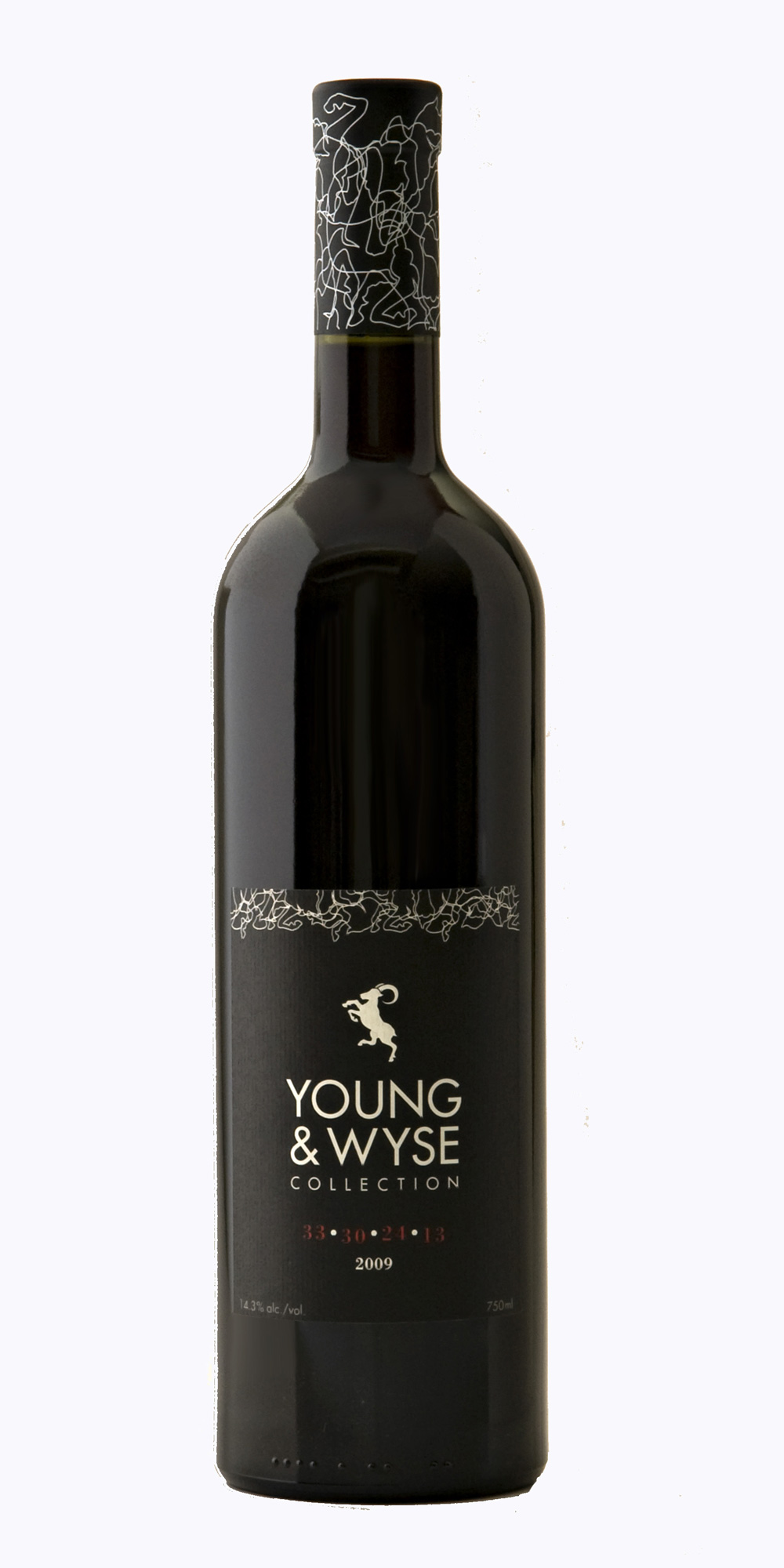
Meritage continues to come pouring out of B.C. wineries, but not everyone is subscribing to the nomenclature. Maximus, Amicitia, Vanguard, Red Icon, and other names adorn bottles from new and old wineries, but a Meritage heart beats beneath the labels. The first so-named Meritage in Canada was made by B.C.’s Sumac Ridge, which still produces it in both official colours, as does Jackson-Triggs.
Here’s what we know. In order to use the term Meritage, a wine has to consist of two or more Bordeaux grape varieties. A Meritage can be red or white, although reds are in the preponderance. There’s a strict formula for using the name, which was chosen through a competition conducted by the California-based Meritage Alliance and trademarked in 1989. (Rather than “meri-TAWJ”, the correct pronunciation rhymes with heritage.)
If you’re making red Meritage, you can use two or more of these: Cabernet Sauvignon, Cabernet Franc, Malbec, Merlot, Petit Verdot, Carménère, Gros Verdot, and St. Macaire. If you’re making white Meritage, there are only three choices: Sauvignon Blanc, Sémillon, and Muscadelle. Your blend cannot contain more than 90 percent of any one variety, and your total production cannot be more than 25,000 cases per vintage. You pay a royalty of $1 per case to the Meritage Alliance to a maximum of $500 per vintage.
For many Okanagan wineries it is their costliest red wine, as well as their pride and joy. Here’s a quick survey of some Meritages-in-all-but-name, starting with the cheapest. In most cases, the wines are only available at the winery. Vintages (and proportions) may well have changed by now.
Young & Wyse 33.30.24.13 2009 ($26.90)
Why look for a catchy name when you can just list the grapes by percentage? The still fairly new Osoyoos winery sent this one out in time for last year’s best-of listings, and it’s still drinking beautifully: a gorgeous expression of the terroir and heady fruit of the South Okanagan. The label gets it right when it points to “licorice, espresso beans, and exotic spices”. Okay, so they’ve included Syrah (30 percent), which isn’t on the Bordeaux list, but it sure makes for marvellous mellowness, abundant fruit, and a glorious finish. Excellent value as a special-occasion wine, and one for the cellar. The blend is 33-percent Merlot, 24-percent Cabernet Sauvignon, and 13-percent Cabernet Franc.
Dunham & Froese Amicitia 2007 ($27.90)
There’s a little Syrah in this blend, alongside Cabernet Franc, Cabernet Sauvignon, Merlot, Malbec, and Petit Verdot. Don’t care much for the plastic cork, but apart from that kvetch this is a beautiful wine: dark and cherry-soft, complex, and hinting at tobacco leaf and dark chocolate. D & H is based just outside of Oliver, and that sure seems to be where a lot of the red-blend action is.
Cassini Cellars Maximus Collectors’ Series 2008 ($29)
The debut red blend by the “new winery of the year”, as chosen by the judges of last year’s B.C. Wine Awards. Soft and rich, it probably won’t keep all that long but it’s dazzling with fresh fruit right now, plus heady cassis and cocoa; beautifully clean, with a classic Bordeaux finish. Mostly Cabernet Sauvignon (63 percent), then Merlot (31 percent), and a smidgen of Malbec (6 percent), it’s a great mix for grilled meats, domestic or wild. Try it with the souvlaki-style pork tenderloin from Costco. Now, let’s lose the plastic cork, please.
Spierhead Vanguard 2008 ($39.90)
Speaking of best new wineries, watch this southeast Kelowna operation cop that recognition this year, and this lovely mix reappear on best-of-the-year lists. Ex-CedarCreek winemaker Tom DiBello made this first outing from SpierHead, letting it sit in French oak for a year and a half, and bottling all of 119 cases. Very mellow, with all of the fruit components layered and rich. It’s a true Meritage, with 50-percent Cabernet Sauvignon, 35-percent Merlot, and 15-percent Cabernet Franc. A terrific achievement from a new winery (but an old winemaking pro).
Clos du Soleil Signature 2008 ($38.90)
From the heat sink that is the Similkameen Valley, this is the first outing from the Keremeos-based winery, which opened in 2008. (It gets a little help from vineyards around Osoyoos.) Made by veteran winemaker Ann Sperling, the mix is 52-percent Merlot, 26-percent Cabernet Sauvignon, 13-percent Cabernet Franc, and nine-percent Malbec. Green-spicy at first taste, it shows hints of eucalyptus and bitter chocolate, all tempered with the skillful use of oak. If you’ve got room in the cellar—and the wallet—this wine will provide pleasure for a good eight to 10 more years. But why wait when it’s this good right now?
Mission Hill Quatrain 2007 ($45)
In 2006, winemaker John Simes created his second vintage of Quatrain, leading off with a big blast of Syrah, followed by Merlot. This time, he’s reversed the order of the first two components, and I think he’s achieved a better wine. (Cabernets Franc and Sauvignon complete the quatrain.) Not that there was anything wrong with the ’06, but the ’07 Merlot is so rich, sweet, and mellow (more Oliver/Osoyoos grapes) that it shines and sparkles all over the palate. Simes put it in French oak for 15 months and let it do its thing. Quelle thing! An outstanding wine. Aren’t they all?
Instead of choosing three favourites, we placed all six at the top of the list with barely half a point separating them. It’s rare to find such consensus with this tasting panel.
Now, if your interest is piqued and you want a Meritage that has gone the full route and uses the name, try to get your hands on Herder Meritage 2008. At $20, it shares the lowest sticker price of any true red Meritage in B.C. with Jackson-Triggs’ Proprietors’ Reserve. It is also one of the very best and would easily fit into the list above, but that wasn’t today’s exercise. Soft and mellow, deep and rich, lovely in fruit and finish, it’s a remarkable winemaking achievement. No wonder the Clos du Soleil turned out so fine: the proprietors there enlisted the assistance of Lawrence and Sharon Herder to get their operation going.