Rewards for care and attention


Pinot – pinot noir and pinot gris are the focus of our attention this week, because living where we do, it's hard to ignore these varieties right now.
My nearest neighbours have pinot gris and pinot noir ripening nicely on the vines, and Peter is looking forward to another pinot gris harvest.
We feel the quality of pinot gris is still highly variable from producer to producer and vintage to vintage. While the best examples are a joy to drink, the classic varietal characteristics and overall quality varies greatly. Overcropping is a big challenge with pinot gris and, as Peter knows from experience, dropping a huge amount of fruit from the vine is the only way to ensure a ripe, rich, perfumed, weighty and spicy wine.
Pinot gris is the best-known mutation of pinot noir and this becomes evident when you see the bunches on the vine.
Pinot gris berries are an odd combination of grey/blue and brown/pink in hue – which is why some pinot gris wine shows flashes of pink in the glass.
Pinot noir is what the French call burgundy.
Known as the winemaker's grape, it is a demanding variety, needing a great deal of attention from both the grapegrower and winemaker. In fact, the economics of growing the variety are breathtaking because it has to be cosseted right through the growing season.
The trouble with pinot noir begins in the springtime – it buds up early and is prone to frosting. Later in the season, it grows big tight bunches that can be vulnerable to botrytis and splitting if there's unseasonable rain.
Bunches need to be thinned mercilessly because low yields and good clonal selections are the key to making the best wines.
Once in the winery, pinot noir requires "hands-on" winemaking, and once one fully appreciates the effort that goes into making a fine example, the higher price attached to the wine is understandable.
Don't expect a cheap pinot noir to deliver the spicy, plummy, cherry and violet flavours and silky, supple texture of a top flight example.
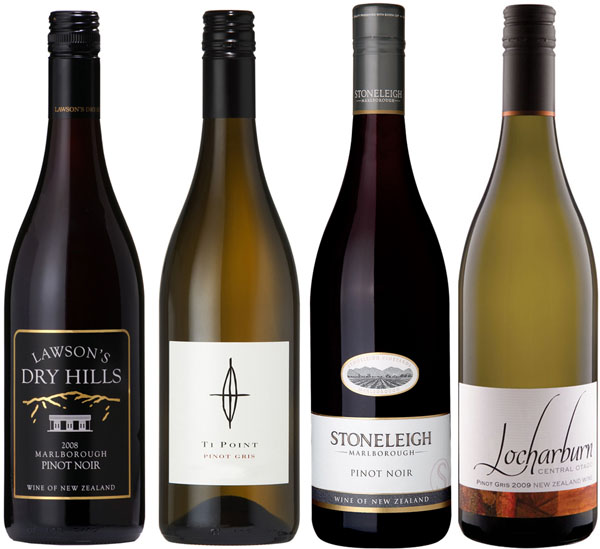
Locharburn Central Otago Pinot Gris 2009 ($24.95)
The aroma is a rich and fragrant combination of stone fruit and ripe pears. Some syrupy tropical guava notes and a hint of mineral add depth to this ripe and promising combination.
The palate is chewy and textural, there's plenty of gingery spice and the apple and stone fruit flavours are sweet and ripe. Some powerful pear skin bitterness asserts itself towards the finish and the overall impression is of a big wine that is best suited to food.
Put a bottle in the cellar and in a couple of year's time those powerful flavours will have integrated nicely.
To buy, go to locharburnwines.co.nz
Ti Point Marlborough Pinot Gris 2010 ($21.90)
A gentle aroma laced with pear and apple, with some riper notes of melon and lychee. There's a lovely perfumed quality to the wine.
The palate is gentle but persistent delivering some rewarding spice, pear and mineral/citrus flavours.
The tropical fruit finish and aftertaste deliver more on flavour than texture, which we enjoyed. A fruit-driven medium-bodied wine that's well balanced and very enjoyable.
Ad Feedback Opawa Marlborough Pinot Gris 2010 ($23)
Light, confected fresh fig and pear notes punctuate this wine's slightly floral aroma.
The palate delivers some spicy warmth, marshmallow vanilla, crisp pear and light citrus flavours. A light-bodied, crisp quaffer.
Stoneleigh Marlborough Pinot Noir 2009 ($24)
The lifted aroma with its bright fruitiness displays pleasant blackberry, plum, chocolate and woody spice notes. Savoury and enticing – it's a good start.
The palate is subtle and integrated with some big spicy flavours well matched by the plummy fruitiness.
Soft fruit tannins sit beside bolder oak tannins and there are some stalky phenolics towards the finish, which add a good structural component.
Fragrant aromatics round out this good value everyday pinot.
Lawson's Dry Hills Marlborough Pinot Noir 2008 ($27)
This 2008 wine was released in November 2010, giving it time to age and integrate.
Wines age more slowly under screw cap, although they are still subject to variables in the winemaking process. This even includes the depth of the ullage (the gap between the wine's surface and the cap seal). If the wine's release is held off a little, what you buy is more likely to be well-integrated and displaying some pleasant secondary flavours. Here's what we found ...
The aroma was dusty, plenty of cherry and red berry fruit notes along with some leather, vegemite and warm spicy oak.
Luscious fruitiness dominates the palate while mocha, smoky oak and old plum flavours become more obvious towards the finish. Soft acids and fine-grained, drying tannins play a wonderful supporting role. The drying, wood, spice and plum aftertaste is moreish.
Nicely aged, elegant and very rewarding drinking; a must-try example and exceptional value at the price.