In from the cold


 |
This resulted in a new set of wine laws introduced in 1993 which severely limit yields and are generally among the most stringent in Europe, but the bad atmosphere created around the Austrian wine industry in 1985 has lingered long in the memories of wine consumers.
The restriction on yields and other restraints have seen a drastic improvement on the part of many producers and Austria generally boasts wines of high quality but they are rarely cheap.
Fortunately for Austrian vignerons, there is strong domestic demand and a small but appreciative audience in several export markets such as the United States and Germany.
Consumers outside the country have tended to confuse the wines with those of Germany due to widespread use of the riesling grape and similar labeling practices.
In fact the climate and soils of Austria are quite distinct from its neighbor to the northwest, with a continental climate dictating the prevailing wine styles.
The long, warm summers punctuated by short but very cold winters have led to a preponderance of dry white wines being produced.
A wide variety of white grape varieties are employed but Austria's signature is the w
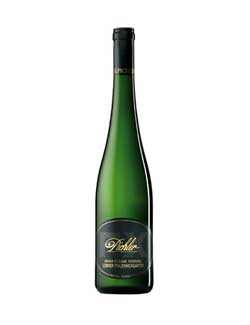 |
Little found outside the country's borders, this is the dominant variety grown in Austria and accounts for more than a third of all the land under vine.
Generally speaking, the wines are dry, fresh and fruity, often showing pronounced spice characteristics and sometimes surprising levels of alcohol.
Austria is known for its late-harvest sweet wines which can benefit from the long autumns that combine the temperatures and humidity necessary to encourage botrytis. In addition to gruner veltliner, both dry and sweet whites are produced from such varieties as pinot blanc, welschriesling, chardonnay and gewurztraminer.
The warm summer ripening conditions also lend themselves to the production of red wines and the local zweigelt variety is widely grown, second only to gruner veltliner in its distribution.