Better late than never


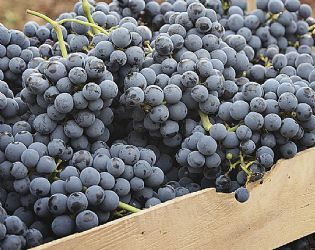 FIRST the wine glut, then the drought, exports down, the dollar up and then came the rain . . . and more rain.
It has been a tough few years for the wine industry right around the country. And with floods, fungal diseases and rock-bottom prices for grapes, vintage 2011 hasn't provided any relief.
Parts of the winegrowing regions of Queensland, the Riverland and areas around Dubbo have experienced a complete wipe-out from floods and disease. In Dubbo, they put the loss at more than $3 million. In the Hunter, they rushed to get grapes in before torrential downpours in February. "The grapes were ripe, but not as ripe as we'd like," one winemaker is reported as saying.
McLaren Vale had a similar problem with a mad panic to get fruit off the vine before the rain and threat of disease in early March, the opposite of the 2008 vintage when there was a rush to harvest before a record heatwave ruined the crop.
In the Barossa, first it was locusts and then storms that hit right at the start of vintage, causing split berries, bunch rot and botrytis.
All this came on top of a report by the Wine Grape Council of South Australia that showed that two-thirds of the state's wine grapes were sold in 2009 below the cost of production. The report went on to suggest that the downturn could last for another decade and recommended that growers who were not making a profit should pull out their vines for the sake of the industry.
And, if you've been having trouble getting your tomatoes to ripen this year, you'll understand that it's not been an easy season for Tasmanian grape growers either.
"This is the most difficult start to a vintage that I can remember since perhaps the '70s," said Julian Alcorso of Winemaking Tasmania.
With the summer we haven't had, vintage was always going to be late. But then last week's record rain and floods came.
Despite one East Coast vineyard reportedly losing three rows of vines to the flood waters, most vineyards around the state seem to have come through last week's wet pretty much unscathed and the warmer days since have done a good job of drying things out.
Jansz and Dalrymple winemaker Natalie Fryar says she is delighted with the sparkling chardonnay fruitW she has received so far.
The bigger problem has been the threat of disease through what has been a very wet and humid season.
"After recent trouble-free years, this one has been a test for vineyard management," said Andrew Pirie as he watched the Tamar roar under the Trevallyn Bridge in Launceston.
"Those who kept their vine canopies open and on top of their spraying regimes have had no problems."
Winemakers Greer Carland and John Schutz echoed Pirie, saying that good operators with good sites and good vineyard management should benefit from this year's long, slow ripening season, with the fruit developing full-flavour ripeness before the sugars get too high.
"It's a late vintage, with some parts of the state up to three and four weeks behind," they said. "But provided the weather remains kind, we're optimistic. And if everything goes our way, it could still turn out to be fantastic."
Well, let's hope so.
PENFOLDS Grange has held its place as Australia's most prestigious and expensive wine for more than four decades.
On its release, the 1975 Grange was readily available at about $10 a bottle. Thirty years later the release price for the 2005 was $500, and the 2006 is due in May at who know what price.
However, unless it pips $700, Grange will lose its pedestal position as our most expensive drop.
For what it's worth, that honour if indeed it is an honour goes to Torbreck's 2005 Laird, a Barossan shiraz released in September at $700. It received a perfect 100/100 rating in US publication Wine Advocate and has now sold out.
According to winemaker David Powell, one-third went to Asian countries such as China, Hong Kong, Malaysia and the Philippines, one-third to the UK and the other third sold within Australia.
Powell is reported as saying: "You don't really care about the price if you're a millionaire or billionaire. All the big collectors in Hong Kong, they're not idiots, they know what they're drinking, they know what they're buying, and they love wine."
I doubt I'll receive a bottle for review, but it will be interesting to see what price the wine commands when collectors/investors put it into the auction market in five or 10 years' time.