Wineries wary of crackdown


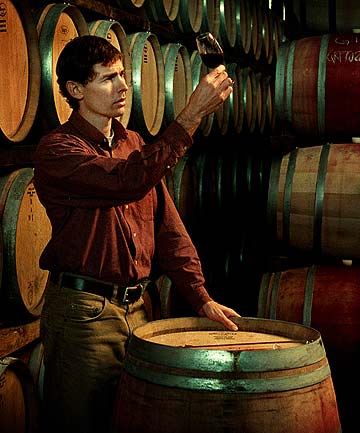
ALAN GIBSON
AT A LOSS: David Babich says his vineyard's shop may close.
A backlash is fermenting against the government's crack-down on the sale of alcoholic drinks.
Submissions from the wine industry warn that the new law contains language "more suited to a Prohibitionist polemic than a clear-headed attempt to address the real problems of harmful use of alcoholic beverages".
Industry group New Zealand Winegrowers warns in its submission that the proposed changes "de-normalise" the consumption of alcoholic beverages and reinforce an unhealthy focus on alcohol content rather than promoting moderate and responsible consumption.
The group says it supports the objectives of the legislation, but argues that the proposals on local alcohol policies, promotions and the operation of wine cellar doors are likely to fail OECD benchmarks for good regulation – that is, they would not provide clearly identified policy goals, be effective and justify costs.
"We do not believe that the blanket characterisation of `New Zealand's excessive drinking culture', as it is described in the Explanatory Note, is a helpful contribution to the debate on reducing harmful use of alcohol in New Zealand," the submission says, arguing drinking behaviours vary widely by age, the occasion, economic status and ethnicity.
The submission goes on to say that a "one-eyed focus on the negative aspects of our drinking culture will do nothing to promote the growth of positive behaviours".
In fact, through "de-normalising" alcoholic drinks, penalising positive social settings and messages and not penalising unacceptable behaviour by consumers, the proposed law tends to "promote precisely the opposite" behaviours to those that should be encouraged, the submission says.
"That is already abundantly clear from the past history of the regulation of alcoholic beverages in New Zealand."
In particular, regulation is a threat to cellar-door sales, considered low-risk but subject to the same regulation as other outlets.
"Winery cellar door and mail order operations are a low-risk environment, and should therefore also be exempt from the proposed local alcohol policy regime," the submission says.
This regime would give significant power to local authorities without a right of appeal by licence holders.
A separate regime for cellar doors was agreed by the previous government, the submission says. Recommendations by the Department of Justice from that exercise should now be implemented.

The submission, supported by others from individual winegrowers, also takes issue with restrictions on off-licences. This, it says, may in effect hand a monopoly to supermarkets for the off-licence sale of alcoholic drinks with food.
It also argues for easier access to special licences to allow winemakers to cost-effectively sell their produce at events such as farmers' markets.
Concern about the future of cellar door sales is heightened by a submission from David Babich, general manager of West Auckland's Babich Wines, which says the vineyard shop, once the mainstay of the business, is now kept open only for tourists and the local community, and is run at a financial loss.
Babich says he expects to be forced to close the shop permanently due to changes to the law and new Territorial Agency Fees levied by councils.
Online wine traders also have reservations about the proposed new law.
Blackmarket.co.nz says direct sales are a critical channel for small wine producers – a way for them to remain profitable and avoid the downward price pressure they face when selling through retail chains.
The online trader wants to see changes to new restrictions on the times when remote alcohol orders can be delivered to the customer, how the age of the buyer is verified online and to new regulations governing the promotion of alcohol.
The law proposes to restrict the advertising of sale discounts more than 25% off normal retail price. Blackmarket says that could lead to winemakers lowering their retail prices to meet the market. The effect could be the opposite of what the government is trying to achieve, it says.
"The new advertising regulations may mean wineries are forced to lower their non-discounted prices, which in turn could lower their brand value," Blackmarket.co.nz says. The effect is likely to be greater on small wineries as these are more heavily reliant on direct sales via email and online, it says.
The online wine retail market, like cellar door sales, should be considered a low risk area and the new requirements are out of proportion to any harm caused to society, Blackmarket concludes.
GIANT WEIGHS IN
International drinks giant Diageo argues there is no evidence that ready to drink (RTD) products – one of the main areas of concern that prompted the new legislation – cause the most harm.
"The problem of high level of drinking by young people pre-dates RTDs and cannot be attributed to this relatively new category," it says, also arguing that restrictions on RTDs in New Zealand would be inconsistent with the trans-Tasman single economic market objective and the Trans-Tasman Mutual Recognition arrangement, which is the cornerstone of efforts for economic co-ordination and integration with Australia.
Diageo argues New Zealand is behind many other markets in not allowing what it calls "sensible consumer choice" by allowing all forms of alcohol, including RTDs, to be sold in supermarkets. Many submissions argued that drinking behaviours would not change until the law made consumers personally accountable for their behaviour.