Lowdown on the high street


Why the wine trade owes a huge debt to Oddbins
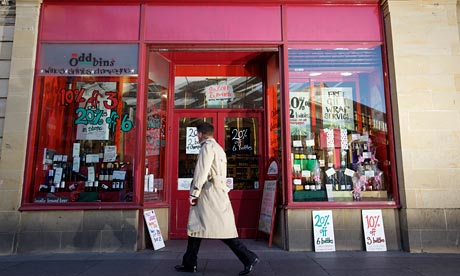
An Oddbins in Newcastle. Photograph: Christopher Thomond
Like most wine lovers who began their journey in wine during the 1980s, watching Oddbins' slow, inevitable slide into administration has left me saddened. With their jaunty layout, friendly staff and imaginative range, these stores were where I went through my vinous rites of passage. In the chain's heyday, no Oddbins shop assistant would have given you the impression you had failed as a person if you didn't know your Pouilly Fumé from your Pouilly Fuissé. Staff would steer you over to something Australian, Greek or southern French, perhaps, all of which the company's adventurous buyers had pioneered.
My love of Oddbins endured through the recent tough times at the business, which date back to its acquisition by French drinks firm Castel in 2002. Castel's experience of wine retailing was based on the terminally staid Nicolas chain, and it attempted to impose a different culture on the freewheeling (and, to be fair, loss-making) Oddbins. The staff became demoralised and the range filled up with distinctly average Castel-produced wines.
Some of the original Oddbins spirit had returned after Simon Baile, son of a former Oddbins managing director, orchestrated a takeover in 2008. The quality of the wines certainly improved. In the current climate, however, it was always going to struggle.
The past decade has seen high street off-licence chains all but disappear, with the likes of Threshers, Victoria Wine, Bottoms Up and Unwins all going the way of Woolworths. Indeed, the wine-retailing landscape has changed beyond recognition from when I first walked into my local Oddbins in 1992. Supermarkets now dominate wine sales; almost three-quarters of all wine sold in the UK goes through the tills of Tesco, Sainsbury's and co, their economies of scale driving down prices and destroying much of the opposition. This would not be so much of a problem if supermarket bosses allowed their buyers to be a little bolder. But while you can still find good bottles at the Big Four supermarkets, they are outweighed by interchangeable brands sourced from a dwindling number of suppliers and often sold on promotion.
If you're prepared to spend a little more on a bottle than the £4.60 national average, you are better served today than ever before. Britain is lucky to have two supermarkets that offer excellent, imaginative wine ranges: Marks & Spencer and Waitrose. Majestic, with its clever business model based on cheap sites away from town centres, intelligent buying and helpful staff, is a pleasure to buy from, and has eaten into much of Oddbins' territory. And for a £40 lifetime membership fee, mail-order business The Wine Society (thewinesociety.com), which is run as a co-operative, offers a large range of interesting wines at prices that often beat the supermarkets.
My favourite places to buy wine are the many shops that make up the burgeoning independent scene: Berry Bros & Rudd, The Sampler, Lea & Sandeman, Green & Blue, Philglas & Swiggot (all in London), Tanners in Shrewsbury, Adnams in East Anglia, Noel Young in Cambridge, D Byrne in Cumbria, Stone Vine & Sun in Winchester, Corks Out in Cheshire and Yapp Bros in Wiltshire are just a few of the best.
These are nothing like the bastions of stuffiness independent wine merchants once were. In their enthusiasm, passion and egalitarian desire to spread the word about good wine, they recall nothing so much as classic, 1990s-vintage Oddbins.