Brand building the old-fashioned way


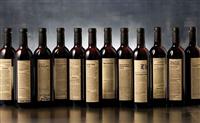
Brand building in any industry consists of playing soft and hard with consumers perceptions and reactions to your brand. Do you behave as a Labrador or a Rottweiler?
How are you doing so far in 2011 and more importantly, how is your brand holding up? Are you having to bludgeon your consumers with various blunt objects, or can you still tickle them with goose feathers? Can you gently cajole them, or is it ambush time? Is it a marriage made in heaven or a shotgun arrangement?
Every aspect within the remit of a brand builder must constantly be queried. With regards to the wine industry this holds true in everything from label design, wine content, internal and external communications, buyer interaction, website content, to cellar door experience. Every single brand interaction must be measured against the brand’s benchmarks with the question constantly being asked, “Is this the right behaviour and execution for our brand?”
Many wine brand owners fail to pay attention to the finer details that govern their brand’s interaction with consumers. All the winemaking and viticulture skills and application mean nothing if a cheap and nasty plastic cork is used as the closure. Building a brand’s consumer awareness in store gets washed away if the brand is deep discounted, as the consumer’s faith is permanently destroyed. It can take twenty years to build a brand and five minutes to destroy it’s standing with the buying public. Desperate times call for desperate measures. Or do they?
The mantra that one ‘needs to survive under all circumstances is misplaced. Survival at all costs is not surviving in the form that you are in at the moment. It means that you will have changed WHO and WHAT you are. If you are comfortable with this reality, then read no further. If you are not, then I suspect your unease is great and that you are searching for a new role and reality to live with. Maybe it’s easy for me to say as I don’t own a brand or a wine farm, but the reality is that every poorly executed or ill-thought out plan or action is detrimental to the wellbeing of the entire South African wine industry as it impacts on everyone.
The wine industry must appreciate the consequences of poor “brand” behaviour when it comes to our interaction with the rest of the wine World. So if we allow ill-informed commentators, inexperienced sales and marketing professionals, and wine makers who aren’t aware of what the appropriate world wide wine bench marks are, to lead conversations with trade and consumers then we only have ourselves to blame. Brand owners must understand the nature and scope of the South African wine industry and the importance of the role that they play in it to avoid sending out negative impressions. They as brand custodians carry an enormous responsibility. Failure to police appropriate brand behavior is dangerous for us all as it drags the category down.
I am currently involved in assisting a number of brand owners with recruitment and it is shocking to see the standard of applications that are received from a very tight brief. Is the wine industry seen as that much of an easy touch that someone who has sold tyres or welding solutions thinks that this qualifies them to sell wine? Not that there is anything wrong with these noble sales roles! We simply have to raise the bar of what is acceptable and professional interaction with consumers and trade and that means investing in training everyone involved in the wine to create benchmark qualifications for the various skills required.
Similarly, how does a poorly executed and hugely discounted wine promotion impact your wine’s performance? Will the consumer be just as happy to buy your wine next time if your competitor on shelf has a gaudy neckag and a deep discount on offer? Of course not, consumers vote with their pockets. If you have to promote using a competition, then at least relate the prize to the betterment of the category. Send the winner to the Winelands or a decent restaurant, just not another braai or scooter as a prize please.
All is not lost however, as there are plenty of good brand owners with healthy, albeit, under pressure, wine businesses that we can all learn from. There are many examples of the Labradors and Rottweilers in the South African wine trade (and abroad), but the best of these are those who swap from the cute shaggy coated, wagging tail variant, to the short stumpy tailed, car-chasing nose beast without skipping a beat. These are the players to follow and emulate.
Tactics in the current economic reality are paramount as they dictate how you engage with consumers who appear to be following an almost prescribed path that you can either be part of the 80% buying the cheap offers, or the top 20% buying the most expensive wines that are available. Occasion based buying across categories is occurring less and less which is a concern for mid priced brands but there are still plenty of brands that are attempting to continue to follow a calm and measured approach to trading. It is trading however that is the most important requirement of all at present, in that you have to keep on selling to work through the current mire and reach consumers with meaningful offers and this means that a tactical approaches to consumers is vital.
The most important role that brand owners and those that they delegate their brand ownership to is to not take their eyes off the ball under any circumstances. Knowing in what form, and at what price your brand is reaching consumers at is vital. Understanding the route to market value chain is non-negotiable, as at any stage, your brand’s values and profile can be compromised. Key to maintaining momentum in the current climate is to stay in the brand building game no matter what your execution is. Brand building is not a quick exercise by its very nature but is vital to creating and maintaining long-term growth, no matter what the economic climate is. Ask any pedigree!