Gov. Gregoire should sign new liquor-distribution bill


The Washington Legislature handily approved a bill that would have the state consider bids to partner with a private firm to run the state's liquor-distribution system. Guest columnist Merritt Long urges Gov. Chris Gregoire to sign the bill.
JIM BATES / THE SEATTLE TIMES Pallets of liquor are moved at the state warehouse in Seattle.
LAST November, voters decisively rejected two initiatives to privatize our state's liquor system. They had concerns about the negative public-safety consequences of a massive expansion of liquor outlets and consumption. They worried about the deregulation of an alcohol-distribution system that has created a level playing field, allowing small local brewers and wineries to compete effectively with the big national producers, and about the transfer of a valuable, revenue-generating asset from taxpayers to private corporations for little or nothing in return.
That said, last year's debate over privatization did highlight the deficiencies of the current system, particularly the need to make it more responsive to the needs of restaurants, bars and individual consumers. That is why I along with Tom Luce of Washington Beverage crafted a public-private spirits modernization partnership proposal, based on an idea successfully implemented in Maine, that will benefit consumers, workers and taxpayers without undermining the best aspects of the existing system.
The proposal, introduced in the Legislature, was widely debated — and refined along the way. It won strong bipartisan majorities in both houses. It is now before Gov. Chris Gregoire awaiting final signature.
The idea is simple and involves no risk. The state will initiate a nonbinding competitive bidding process to partner with a private firm to run the state's distribution system for a time period to be negotiated. In exchange, the private partner will offer a substantial one-time, upfront payment to the state and will share annual distribution profits with the state.
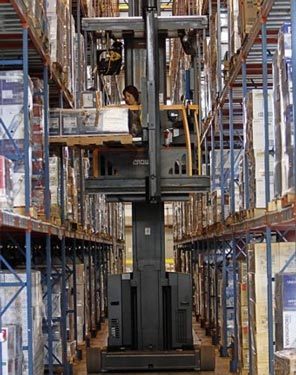
The private partner would make substantial capital investments in the system, including possibly increasing the number of liquor warehouses (currently there is only one for the entire state, in Seattle). By improving ease and efficiency of ordering, selection for consumers will improve. In Maine, the public-private partnership led to more choices for consumers, particularly more premium brands on store shelves. Moreover, relatively modest increases in efficiency translate into big potential revenue gains for the state. And at the end of the lease the state would continue to own the entire system, including all capital investments made by the private partner.
Meanwhile, the state will continue to operate state stores. Washington currently ranks among the best in the country in keeping hard alcohol out of the hands of minors. And the state will retain full control over liquor regulation and enforcement.
That's important given the very clear public-safety concerns about privatizing the retail side of the business — concerns that were echoed by the Centers for Disease Control, which in February came out strongly against retail liquor privatization because it increases problem drinking.
Our proposal also preserves the jobs of nearly 1,000 warehouse and retail-store workers across the state.
If the submitted bids turn out to be flawed or insufficient, the state is free to reject them all. There is literally no downside to seeing what private partners have to offer.
But as our proposal gained momentum, the same privatization advocates who failed at the ballot last year abruptly introduced a new privatization initiative, and are now trying to stop the state from seeing what kind of bids the competitive bidding process will produce. The Times has endorsed their assertions ["Gov. Gregoire should veto bizarre liquor bill," Opinion, May 31), declaring the distribution modernization idea "not a good deal" even though we are still months away from seeing any bids.
What are privatization advocates so afraid of? Given the hastily filed initiative, it is now even more important that the public gets a chance to see what kinds of modernization alternatives are on the table. Our competitive bidding process will do just that, and we respectfully urge Gov. Gregoire to sign the bill as it was passed.
Merritt Long is a former chair of the Washington State Liquor Control Board and a consultant to Washington Beverage, a prospective bidder to modernize the state liquor-distribution system.