Old wine favourites get the test


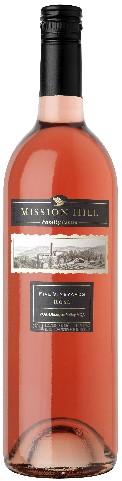
Fresh rosemary and tuna goes well with Mission Hill 5 Vineyards Rosé.
We guzzled gallons of it, simply gallons, and propelled parties with it. Hangovers? Too numerous to mention—and anyway, who wants to recall hurt, especially self-inflicted hurt?
Five years ago, we surveyed some of the things we used to put in our mouths under the respectable title “Looking back at the way we wined”. With perhaps not a little malice aforethought, I assembled one of each of the previous decade’s big faves, among them Shlosh, Retch, Matoose, Hock, the Blue Nun, the Black Tower, and the Big K. Where’d they all go?
It took little sleuthing to learn someone was still drinking them. And quite a lot of someones. The Shlosh alone still rings in to the tune of $3 million a year. So we sourced the ones we could. Yago, in the awkwardly tall diamond-shaped bottle, seemed to have totally disappeared, but the others came home in a borrowed Safeway cart: Mateus rosé, white Zinfandel, Black Tower, Schloss Laderheim (everybody called it the Shlosh), Hochtaler, Blue Nun, retsina (who cares what brand? Retsina is retsina; all you can taste is the pine cleaner, or, as Hugh Johnson once famously said, “Retsina is perhaps best taken in situ”), Sommet Rouge, Gamza, and Egri Bikavér. And both of the Big Ks—Kressmann Sélectionné red and white—$10.79 a litre in the summer of ’06. (It was much cheaper much earlier.) Those two fared better than most of the others, retastewise.
Fastforward to the almost-summer of 2011, the one that’s still a work in progress. Out of nowhere came samples of the new Big K—Kressmann Selection (the final “-né” having been excised). Instead of red and white generic blends, there are now varietals: a white Chardonnay and a red Merlot. They are even vintage-dated (2010), and 12.5 percent alcohol each.
The pricing is still cheap: $9.99 each for the standard 750 millilitres, while the 1.5-litre magnum, if I may use the term, is $17.99. The cork is gone in favour of the sensible screw cap, and the bottle is made from a special lighter-weight glass.
So we chilled the white for a couple of hours—it was one of the hot days of last week—and even put the red in the fridge door for 20 minutes before getting out the good patio tumblers and pouring. The white’s back label claims “a nose full of freshness with well-balanced aromas of white blossoms on the palate”. I always thought the aromas hit the nose, not the tongue. There was a mess o’ grilled chicken with Pride of Szeged rub.
The somewhat indistinct fruit was okay, a little light and not a lot of Chardonnay as we know it, Jim. But for $10 it’s just fine, and later, when there appeared some creamy dolcelatte Gorgonzola with Bosa’s house-made crisps, it was just fine.
On to the Merlot, with its “lovely garnet-red colour…distinguishable for its nose of red fruit and supple palate with a long finish”, length being relative. It supplemented Havarti with the same Bosa crackers (you can buy them in large bags at the Bosa store on Victoria Drive and they keep crackly for a long time) and some nice ripe Bosc pears with cracked black pepper atop yogurt, atop the fruit—pretty good.
For now, both newcomers are specialty-listed (and the old Ks are still in the stores).
It’s a fun little summer evening’s wine nostalgia, especially if you round up some of the other old-timers. What were we drinking? What were we thinking?
Since we can’t get enough of that pretty pink stuff, we settled down with a flagon of Mission Hill 5 Vineyards Rosé 2010 ($14.99), made mostly of Merlot, with some Cabernet Franc and a little Shiraz. We all liked the bright, full fruit—loads of strawberries. It’s a good one for barbecues, Asian veggies, sauced meats, and chutneyed firm-fleshed fish—and especially good with pasta, tuna, and fresh rosemary.
If you have my second cookbook, this recipe is on page 48. If you don’t, or can’t be bothered to dig it out, here it comes. It serves four with an appetite. Two essentials: good, garden-fresh rosemary and real Italian tonno in olive oil, none of that spring-water-packed misery from Thailand or China.
500 grams egg fettuccine
2 Tbsp extra-virgin olive oil
3-4 cloves garlic, sliced thin
1 small peperoncini (dried Italian red pepper) or Thai chili
2 tins (213 millilitres each) tonno
in oil (use the oil, too)
1-2 sprigs fresh rosemary, to taste; needles stripped off the stem, more or less, and chopped
A handful of whole black peppercorns, to taste, for that fiery crunch
Put the pasta in plenty of salted boiling water for eight minutes, or whatever it says on the package, and make the sauce while the pasta cooks.
Put the oil in a small saucepan to heat and add the garlic. Cook nice ’n’ easy till the garlic acquires some golden colour. Add the hot pepper. Mash the tuna and its oil with a fork and add the contents of both cans to the saucepan. Add the rosemary and a couple of tablespoons of the pasta water. Add the peppercorns. Put a lid on the pan and cook on medium-low while you finish the pasta.
Drain the pasta and put it in a warm bowl. Pour the sauce over it and stir with two forks to get it all mixed through.
No cheese, please. In Italy, we rarely put cheese on fish or seafood pasta; that’s reserved for tomato and meat sauces. Serve with some garlic bread (store-bought’s fine if you forgot to make any) and a chopped salad.