A natural product:Centuries of passion, a multitude of varieties


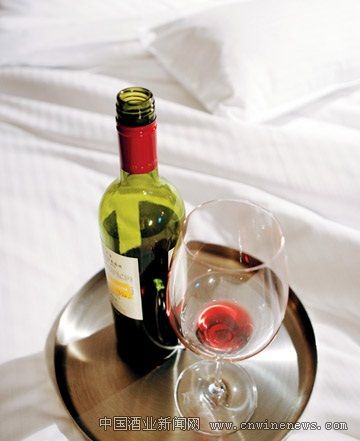 Wine is a natural, agricultural product recognised by the EU Treaties and defined in EU legislation as a “product obtained exclusively from the total or partial alcoholic fermentation of fresh grapes, whether or not crushed, or of grape must”.
Wine is a strictly regulated product, from the vineyard to the consumer, Vine cultivation and winemaking are regulated by the EU Common Market Organization (CMO) in the framework of the Common Agricultural Policy (CAP). It sets comprehensive and specific standards that cover wine production, including soils, planting areas, authorisation of vine varieties, and wine making.
Wine making is both an art and a science, and different climates and soil types will impact on a single grape variety. Many different styles of wine have emerged as a result of differing viniculture methods, and few winemakers would agree on just one “correct” method of wine making. Each wine is unique. Soil, weather, geology, varietals, and the style of wine making, are all decisive yet variable factors that give each wine a unique character.

Wine regions in Europe produce an endless variety of superb products. While wine remains a natural product, technological innovations have provided for better hygiene and control of the production process, contributing to the production of wines suited to the palate of contemporary consumers. In fact, overall consumption of wine in Europe has declined as patrons increasingly choose higher quality wines.