The Chinese worship of "foreign brands"


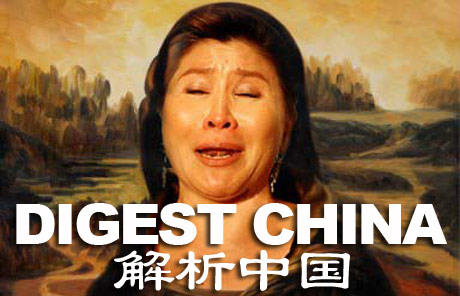
Leonardo Da Vinci was not a god. Even he might not have expected his name to cause quite a stir in China almost 500 years after his death.
On July 10, a Chinese high-end furniture brand named Da Vinci was exposed as a fraud. It marketed its products as being foreign- made, but quality issues suggested the company was lying. In the weeks following, the public bashed Da Vinci for its lack of integrity and asked for compensation. The case pulled Da Vinci from the altar, but the original controversy sparked more than just unhappiness about the company's furniture.
Da Vinci's furniture was made in China but was sent abroad and then sent back to receive the designation of an imported good. The company's motive was simple; it could increase profits on goods marketed as imports. But one indirect consequence of the scandal was a trend toward xenomania among Chinese people; they became seemingly obsessed with goods from foreign countries.
The furniture industry is not the only one plagued with fraud and dishonesty. On July 24, Ajisen Ramen, a China based fast-food chain selling Japanese ramen noodle and soup dishes, confessed its soup was made with concentrate rather than being brewed as it claimed in its advertisements.
But why are Chinese people keen on foreign products? How do domestic brands regain the public's confidence? In what directions are domestic brands heading?
Digest China host Feng Xin invites Shu Guohua into the studio.
Shu Guohua is the director of the liquor market for China National Cereals, Oils and Foodstuffs Corporation (COFCO). He is a planning expert in brand communication.