Argentina's great gift to the world of wine


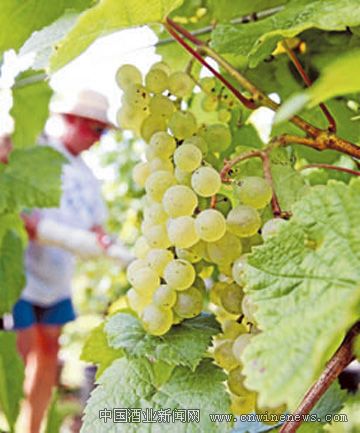 Anyone who has heard of the great black wines of Cahors, in southwest France, will also probably be aware they are so-named because of the colour of the beastie from which they are made – an inky dark grape known thereabouts as auxerrois, elsewhere as malbec.
In this part of the world it's a grape perhaps best known as a component of the blended red wines made mostly in Hawke's Bay in the style of those from Bordeaux, in France, which can contain up to six different varieties, including malbec.
But it has also recently taken on a life of its own. Not only is it being used to add richness and colour to blended wines, it is also being produced in increasing quantities by a number of wineries as a varietal. In other words, unblended.
In some cases the result is quite sensational, provided you are into power-packed, full-flavoured and sometimes slightly rustic reds; reds that owe their growing popularity to the malbec coming out of Argentina, rather than France, because the black wines of Cahors are still rather rare in this part of the world.
In fact, Argentina now grows more than 70 per cent of the world's malbec so it is perhaps not surprising that it has become linked in the public's mind with South America in the same way as zinfandel is linked to California and pinotage to South Africa.
Malbec was first planted in the Argentine in the mid-1800s, maybe using cuttings of a clone thought to have been wiped out when the variety was decimated by frosts in France, though the plusher-
flavoured wines it produces could simply be the result of climate, viticulture, or the way they are made.
Whichever, they have in the past 20 years become the country's great gift to the wine world, encouraging even the good vintners of Cohors to get their act together. Rather than react as the French usually do when someone in the New World makes a name for themselves with a variety they regard as their own, they saw an opportunity to promote malbec, and with it their own wines.
The result was an International Malbec Day, in which they invited the Argentinians to take part.
The following year the South Americans reciprocated, and so far as I know it has now become an annual event.
The result?
Well, you have only to look at the growing interest and the availability of malbec, the varietal, in this country and in other parts of the world.
Here, over the past few years plantings have increased from a measly 20-odd hectares to more than 160, most of them in Hawke's Bay, with others around Auckland (including Waiheke Island) and even in Marlborough.
Most of the unblended wines these grapes produce have plenty of grunt, are full of sweet-fruited blackcurrant and plum, chocolate and spice, and often reflect the rusticity typically associated with the variety.
Among the best of them:
Mission Reserve Gimblett Gravels Malbec ($28)
A wonderful example of a powerful (15 per cent alcohol), plusher style of malbec that ticks all the varietal boxes – a pleasantly tannic spine fleshed out with sweet-fruited blackcurrants and plums, and spice and chocolate. What a bargain.
Brookfields 2010 Sun Dried Malbec ($24)
Described by Hawke's Bay winemaker Peter Robertson as "malbec on steroids", it's made in the same style as an Amorone – using grapes that have been dried in the sun. The result is this big bold wine that is crammed with vibrant varietal flavours.
Fromm 2009 Malbec ($49)
A typical example of the malbec produced at Fromm, in Marlborough, since the mid-1990s. Beautiful florals combine with concentrated varietal flavours to produce an elegant, savoury wine with good tannins that's just made, as the maker suggests, to go with venison.
Others include: Stonyridge Luna Negra Waiheke Island Malbec ($60); Villa Maria Reserve Gimblett Gravels Malbec ($60); and Coopers Creek Saint John Malbec ($28).