Less is perfect


If you are reading this column though, you are probably not the drinker looking for maximum volume for least amount of money on a Friday night. But some of us could do with drinking a little less from time to time.
We enjoy wine for what it is. It tastes good. It enhances food flavours. And it makes us feel good at the end of a working day. If you want to continue the enjoyment and the social aspect of wine drinking but want to reduce the intake of alcohol, what are the options?
The obvious solution is to drink more slowly, therefore you drink less. Easier said than done though. Eating food and drinking plenty of water helps too, as it allows more time for body to metabolise alcohol before it is absorbed into the bloodstream.
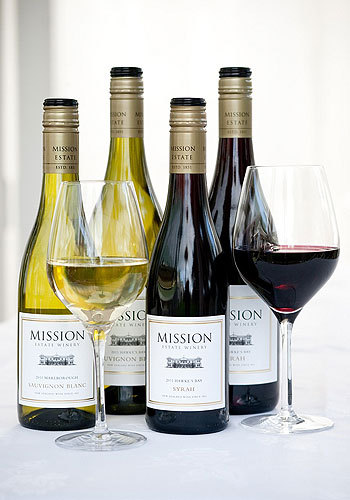
How's this. Drink a bottle but a smaller one. There have been smaller bottles available before. Half bottles (375ml) and even smaller versions are handy but they are not widely available. But Mission Estate have recently launched 500ml bottles. Like a crossover car, this is an in-between size giving you four glasses rather than five from a traditional 750ml bottle, but more than half bottle. So you can drink a bottle on your own or between two, at home, at a picnic or at a BYO restaurant.
Two wines are available under this new format, and thankfully they are good wines. Mission Estate Marlborough Sauvignon Blanc 2011 ($13, 500ml) is vibrant and zesty with classic flavours of passionfruit, lime zest and fresh herbs combined with a mouth-watering palate. Mission Estate Hawke's Bay Syrah 2011 ($13, 500ml) shows youthful aromas of red plum, blueberry and floral with a hint of spice. It's juicy and smooth on the palate with an appealing fruity finish. This new size may work brilliantly for today's consumers.
Another option of taking in less alcohol is to drink low alcohol wines. There are a few alcohol-reduced wines where alcohol is removed mechanically. Unfortunately I have yet to taste a good one. But there are many wines with low alcohol that's been achieved naturally. Winemakers can stop the fermentation before all the sugars are converted to alcohol therefore you end up with alcohol at around 10 percent rather than 13 percent. Depending on the wine, you can consume 20-40 percent less alcohol from a same size bottle.
Riesling is the best variety for this low alcohol version. The remaining sugar in wine doesn't taste all that sweet due to the variety's natural bright acidity, giving you an impression of juiciness rather than sweetness. The low alcohol does give you less calories but the residual sugar will make up for the difference, so don’t think you are losing weight by drinking these low alcohol wines. Just enjoy the vibrant flavours. Here are just a few good value examples, but there are many more.
Giesen Marlborough Riesling 2011 $19.00 10.5 percent
An immensely likable riesling showing ripe aromas of apple, peach and citrus. The palate is lush and rounded with excellent mid palate weight, appealing sweetness and nicely harmonised acidity providing a pleasant crisp finish. Very approachable and highly enjoyable.
The Crater Rim Canterbury Riesling 2010 $20.00 8.5 percent
It's delicate and pure on the nose displaying mandarin, floral and subtle lemon/lime characters. The palate is taut and finely textured with elegant sweetness and racy acidity leading to an impressively linear finish. A beautifully framed riesling showing refinement and lovely detail.
Woollaston Mahana Nelson Riesling 2010 $28.00 10.5 percent
It's delightfully perfumed on the nose displaying white peach, mango, citrus and floral characters. The palate is concentrated and succulent with elegant sweetness and perfectly integrated acidity, finishing beautifully fine and juicy. An irresistibly delicious wine.