Vineyard that survived the Great French Wine Blight becomes first living thing to be classified as historic monument


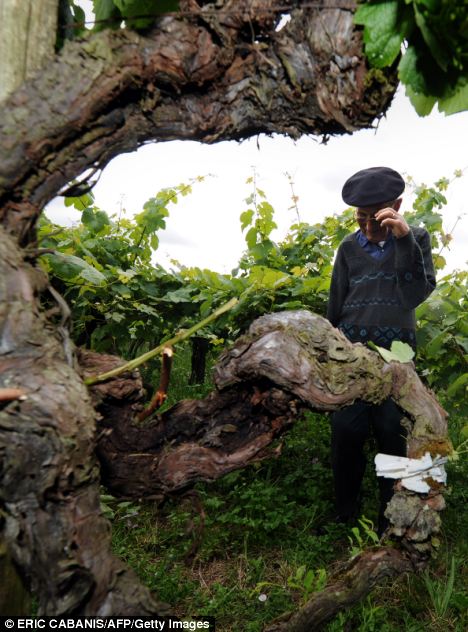
A French vineyard has become the first living thing to be classified as a historic monument by authorities.
The vines at the Pédebernade family vineyard in the Gers region of south-west France are believed to be at least 190 years old.
They have 20 different types of grape, including seven varieties of the fruit that are unknown to the rest of the world.
The resilient Pédebernade vines survived the Great French Wine Blight, an epidemic that wiped out vineyards across the continent caused by the sap-sucking phylloxera louse in the late 19th century.
Grape varieties identified include tannat, a red wine grape, and fer servadou, a dark-skinned grape used primarily for red and rosé wines.
The seven unknown grape types have been named Pédebernade 1 to 7 in honour of the family which has tended the crop for eight generations.
The vineyard is run by Jean-Pascal Pédebernade, 45, two decades after his father Réné, 85, handed over its day-to-day management. But the pensioner can't keep away and still nurtures the vines.
The family plan to open the vineyard to the public and are asking their local wine co-operative to make a special wine with their grapes to celebrate becoming a listed monument.