Catavino is Back in Spain: The Customs, Culture and Cuisine of India(3)


As for wine, we are sad to say that we only tasted a few producers, Sula being the one we tasted most often. Between â�œdry daysâ� as a result of the election, and just a lack of local wine availability in general, our tasting was limited at best. We did, however, buy three wines: 2007 Zampa Syrah by Vallée de Vin, 2005 La Réserve by Grover Vineyards and the 2008 Vin Ballet by Champagne Indage, which we will post on in the near future.
As to other flavors we experienced traditional non-alcoholic beverages were both various and delicious. The Masala Chai is a very commonly offered hot beverage in most retail shops and restaurants. The black tea leaves are boiled in a mix of water, and whole spices such as ginger, cloves, cardamom and cinnamon, along with a large quantity of milk and sugar. The result is a milky, slightly sweet beverage that is utterly addictive! The second commonly offered drink is a complete antithesis to the first. Comprised of lemon juice, soda water, black salt and sugar, it is both refreshing and a perfect compliment to spicy Indian cuisine.
India’s food can be easily characterized by its rich flavors and subtle use of spices. And as a result of the longstanding vegetarianism within sections of India’s Hindu, Buddhist and Jain communities, it’s often thought that India is a vegetarian culture; however, we found this to be a HUGE misconception. Though it is a crime to kill a cow**, and most, if not all, “steaks” on the menu are water buffalo, we dined on incredible dishes of varied fishes, pork, mutton and chicken. Like Spain’s regional wine diversity, Indian cuisine varies widely by region showcasing the diverse demographics of the country.
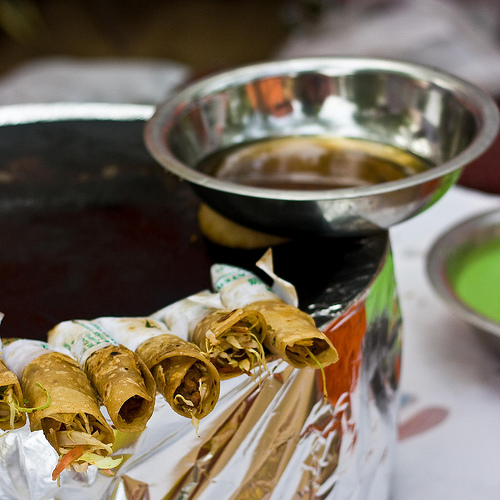
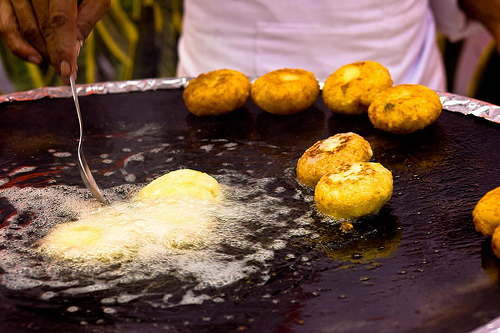
As the wedding party was primarily from West Bengal, known for its non-vegetarian cuisine, we were privy to a wide variety of meat dishes including chicken and mutton (not lamb, as elsewhere, but goat)! Bangladeshi cuisine is influenced by Afghan and Persian, North Indian cuisine also features the use of the “tawa” (similar to a grill) for baking delicious flat breads like roti (crispy and thin) and paratha (thicker and oily) as well as tandoor (a large wok placed on top of hot coals) for baking breads such as naan (commonly found in most Indian restaurants internationally) and kulcha. Other breads like puri and bhatoora, which are both deep fried in oil and served alongside main dishes.

