Pairing Wine With Chinese Food(2)


Mr. Thompson chose light to medium-bodied wines, and reds with lower tannins, too much of which can clash with salt and spice. Dishes were served in order of their complexity of flavors, beginning with lighter dishes and ending with two dishes loaded with Sichuan peppercorns and dried chili peppers, before moving on to a dessert of candied “basi” apples, a common Beijing dish.
One definite winner of the evening was a semisweet riesling. The 2007 Mount Difficulty Target Gully Riesling from Marlborough, New Zealand, stood up to spicy, more complex dishes, including kungpao cashew chicken with its sugar, black Shanxi vinegar, chili peppers, and faint hint of Sichuan peppercorns. With a medium body and high acidity, the riesling balanced the sugar, salt, and even the pickled flavor of the wok-fried bamboo shoots.
By contrast, a 2007 Seresin Estate Sauvignon Blanc also from Marlborough, New Zealand, while slightly effervescent and zingy on its own, was too light to retain its identity when awash with other flavors.
“I love rieslings; they go well with Chinese cuisine because the mouth-feel is quite refreshing,” said Ms. Sun, the magazine editor. “The range of dry to sweet rieslings can match all types of Chinese food, plus it’s never too heavy, but rather fresh and fruity.”
We also discovered two other versatile wines: a 2007 grüner veltliner from Nigl, an Austrian winery, and a 2006 Yering Station pinot noir rosé from the Yarra Valley in Australia. The light pepper and fruity aroma of the grüner veltliner, a lesser-known white grape that is almost exclusively grown in central Europe, complemented the steamed sea bass and the stir-fried cabbage hearts with shiitake mushrooms. The soft texture, subtle tannins and floral notes of the extra-dry pinot noir rosé made it go well with nearly everything from the pan-fried pork and pumpkin dumplings to the sweet and sour pork (which turned out to be one of the hardest dishes to pair).
One surprise was that the 2006 Te Tera pinot noir from the Martinborough Vineyard in New Zealand worked quite well with several dishes, including twice-cooked pork. The spice, sugar and lightly fermented sauces of the pork dish amplified the pinot noir with light tannins, making it taste more like a full-bodied merlot.
Two wines that did not find a place on the table were the 2006 Miss Harry blend of grenache, shiraz and mourvèdre from Hewitson in South Australia and a 2005 red Burgundy, the Hautes Côtes de Nuits from A.F. Gros. “I can see these going with something heavier, like red-braised pork,” Mr. Ragg said.
We also found it difficult to match any of the wines with two dishes laced with Sichuan peppercorns, the oil-braised beef and the Chongqing spicy chicken. They clashed with each sip of even the more elegant wines, like the light-bodied 2007 Chablis Premier Cru from Jean-Marc Brocard and the red Burgundy. Each taste set off an echo chamber of numbing spice in my mouth. “It’s a lovely dish on its own,” Mr. Ragg said, almost apologetically. He suggested that perhaps a palette-cleansing sparkling wine might be interesting to try with Sichuan peppercorn dishes on another occasion.
The evening demonstrated that pairing wine with Chinese cuisine wasn’t as difficult as it seemed, save a few Sichuan peppercorns. Mr. Suk, the wine auction house representative, suggested that if a Chinese restaurant doesn’t have a decent wine list, bringing your own bottle is usually an option. Corkage fees at Chinese restaurants in China and abroad are typically low, ranging from $5 to $10, while many hole-in-the-wall eateries may allow you to bring wine for free.
The evening also showed the enthusiasm the Chinese have for wine.
Winemakers should be heartened by the conversion of Ms. Lok, the wine broker from Guangzhou, who had primarily consumed baijiu before tasting her first imported wine in 2006. She soon learned about the difference between New and Old World wines and became an avid drinker of the wines of Spain, Germany and Argentina. But she still vividly remembers her first sip of an imported wine: “It was a south Australian shiraz. It was so much better than the Chinese wines I’d had in the past, and you didn’t have to add Sprite to it.”
Jen Lin-Liu is the owner of the Black Sesame Kitchen cooking school in Beijing and the author of ‘‘Serve the People: A Stir-Fried Journey Through China.’
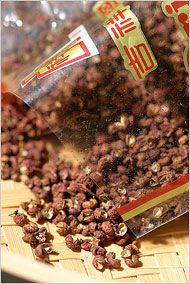
Pairing wine with Chinese flavors such as Sichuan peppercorns can be challenging.
“Or maybe just white rice,” chimed in a third dinner partner.
