British distiller Diageo shifts its focus in acquisitions to fast-growing markets(1)


Steve Forrest for The New York Times
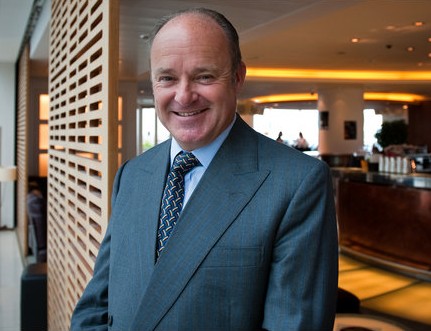
Paul S. Walsh, chief of the British distiller Diageo, is reorganizing to better track trends in China and other growing markets.
LONDON — Baijiu, a popular Chinese spirit known for its harsh and fiery kick, might not be everyone’s preferred drink, but the management at Diageo liked it so much that it pursued a takeover of a baijiu maker in China for two years.
When the Beijing authorities last month finally allowed the deal between Diageo, the world’s largest liquor maker, and Shui Jing Fang to go ahead, Diageo’s chief executive, Paul S. Walsh, was in an airplane crossing the Atlantic. He plans to celebrate the acquisition, which could be worth as much as $1 billion, by sharing a shot of baijiu with his team in Singapore this week.
Like its rivals, Diageo, the British maker of Smirnoff vodka and Johnnie Walker scotch, is going after local spirits makers in faster-growing economies like China to make up for declining sales elsewhere.
Diageo is working on a new management structure it plans to announce in August that will allow it to better track local consumer trends in China, Africa and Latin America.
“These markets are getting to a size that they have real scale now,” Mr. Walsh said in an interview last week. “Rather than to call on the London office for support, they need to stand on their own feet.”
Mr. Walsh plans for half of Diageo’s sales to come from developing economies within the next four years. Diageo, which also makes Guinness and Ciroc vodka, generated 32 percent of sales from these markets in 2010.
To achieve that goal, Mr. Walsh says he plans to shift investments from the mature markets of Europe and the United States to the faster-growing regions.
“I need fewer sales people in Greece, and I need more sales people in Asia and Latin America,” he said, sitting in his office, the shelves of which are lined with special editions of Diageo brands, including Shanghai White, a baijiu-infused vodka it sells in Hong Kong and Macao.
Diageo’s profit rose 1.5 percent, to £1.63 billion, or about $2.6 billion, in 2010 from £1.61 billion a year earlier as growing demand for spirits in China and Latin America and for beer in Africa made up for slower growth in the United States and Europe.
Sales in the nine months that ended on March 31 fell 3 percent in Europe, as many consumers in Greece and Ireland stayed home rather than go to restaurants or bars.
Some analysts said Diageo’s push into Asia was long overdue because its French rival, Pernod Ricard, the world’s second-largest liquor company, had been quickly gaining market share there and had started to challenge Diageo’s No. 1 position. But with about £2 billion cash in hand, Diageo has a larger war chest for acquisitions than Pernod Ricard, which owns Absolut Vodka.
