Chinese immigrants flout US law to slake thirst for rice wine(1)


By Kirk Semple and Jeffrey E. singer
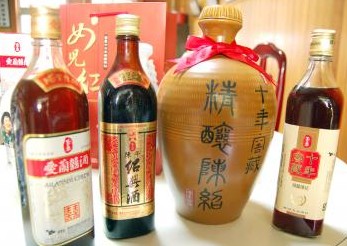
Authorities are turning a blind eye to the sale of homemade rice wine, which violates a host of local, state and federal laws that govern the sale of alcohol
Vendors and restaurants in Manhattan’s Chinatown openly sell bootleg rice wine.
Warning: Excessive consumption of alcohol can damage your health.
Photo: Taipei TimesThe restaurant looks like so many others in the roiling heart of Manhattan’s Chinatown: a garish sign in Chinese and English, slapdash photos of featured dishes taped to the windows, and extended Chinese families crowding around tables, digging into communal plates of steamed fish, fried tofu and sauteed watercress.
But ask a waitress the right question and she will disappear into the back, returning with shot glasses and something not on the menu: a suspiciously unmarked plastic container containing a reddish liquid.
It is homemade rice wine — “Chinatown’s best,” the restaurant owner asserts. It is also illegal.
In the city’s Chinese enclaves, there is a booming black market for homemade rice wine, representing one of the more curious outbreaks of bootlegging in the city since Prohibition. The growth reflects a stark change in the longstanding pattern of immigration from China.
In recent years, as immigration from the coastal province of Fujian has surged, the Fujianese population has come to dominate the Chinatowns of Lower Manhattan and parts of Brooklyn and Queens.
These newcomers have brought with them a robust tradition of making — and hawking — homemade rice wine. In these Fujianese neighborhoods, right under the noses of the authorities, restaurateurs brew rice wine in their kitchens and sell it proudly to customers. Vendors openly sell it on street corners, and quart-size containers of it are stacked in plain view in grocery store refrigerators, alongside other Chinese delicacies like jellyfish and duck eggs.
The sale of homemade rice wine — which is typically between 10 and 18 percent alcohol, about the same as wine from grapes — violates a host of local, state and federal laws that govern the commercial production and sale of alcohol, but the authorities have apparently not cracked down on it.
