Why plonk with a posh label tastes like a fine vintage French wine, and cheap chocolates are better when pretending they're Belgian(1)


Next time you buy that cheap bottle of plonk just tell yourself this - it really is the finest French vintage.
All in the mind: People fool themselves into believing food and drink tastes depending on the country they think it is from
Humans fool themselves into believing food and drink tastes better depending on which country they think it is from.
Researchers found that those told they were about to eat chocolate from Switzerland liked it better than that from China, even if it was the same brand.
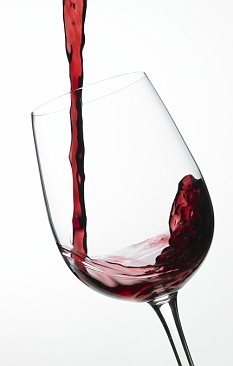
The same happened with wine - test subjects told that their glass was from Italy preferred it to an Indian vintage.
In reality both were an off-the-shelf bottle of ‘ambiguous taste’.
The research suggests that being a food snob is all in the mind and that what we taste is influenced by what we expect from certain countries.
In short, our taste buds come second to our preconceptions when it comes to what we put in our mouths, the researchers found.
The study was carried out by marketing researcher Keith Wilcox and colleagues at Babson College in Wellesley, Massachusetts.
He quizzed 526 students to find out more about their ‘actual perception of taste’ in relation to chocolate.
The vast majority preferred the Swiss chocolate versus Chinese chocolate if they were told it came from there first - even though both test samples were an ordinary supermarket brand.
Next time you buy that cheap bottle of plonk just tell yourself this - it really is the finest French vintage.
Humans fool themselves into believing food and drink tastes better depending on which country they think it is from.
Researchers found that those told they were about to eat chocolate from Switzerland liked it better than that from China, even if it was the same brand.
The same happened with wine - test subjects told that their glass was from Italy preferred it to an Indian vintage.
In reality both were an off-the-shelf bottle of ‘ambiguous taste’.
The research suggests that being a food snob is all in the mind and that what we taste is influenced by what we expect from certain countries.
In short, our taste buds come second to our preconceptions when it comes to what we put in our mouths, the researchers found.
