Canucks uncork Chinese wine market(1)


It's not an uncommon scene to witness Louis Vuitton-toting businessmen dilute their $500 bottle of Hennessy with CocaCola or shoot back their glass of red wine like vodka in China.
With growing salaries and more disposable income, the wealthy elite of the world's second-largest economy are increasingly looking for the next big luxury item to show off their wealth - even if they haven't developed the palates of true connoisseurs.
With top French wines fetching record-breaking prices, Canadian wineries are trying the sell their liquid gold in hopes of cracking an emerging market.
Winemaker Holger Clausen knows a thing or two about taking risks. The high-stakes poker player made his fortune playing Texas hold 'em and invested his winnings to build Aces Winery in British Columbia's Okanagan Valley.
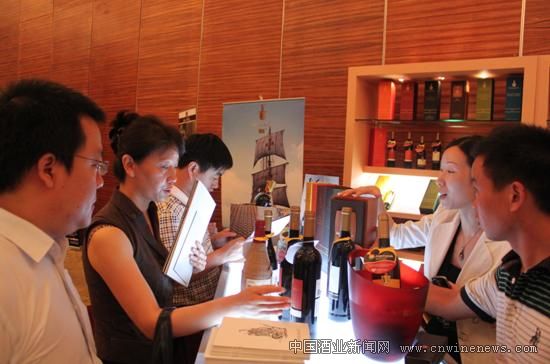
"I have two passions in life - poker and wine," said Clausen, who last month showcased his selection of red wine at a consumer trade show in the port city of Ningbo, about a three-hour drive from Shanghai. With a translator by his side, Clausen mingled his way through the crowd, telling his story about hitting the jackpot at noon and catching the red eye to harvest grapes the next morning.
The charm offensive proved successful. Aces' 1,000-bottle shipment was sold out by midday.
"We had nothing left," he chuckled.
It was Clausen's first visit to China, and he suggests it will be the first of many.
Re-orders came in twelvefold for his poker-chip designed bottles, which are selling for between $30 and $102 in China - a 30 per cent markup from the retail price in Canada.
He is also looking into commercial production to handle the demand for upcoming trade shows in China in August and November, when top hospitality buyers, politicians and dignitaries converge to order hotticket items.
Clausen said he's received calls in the past from Chinese companies, but none was the right fit until Vancouver-based export and import company Pomer knocked on his door.
Pomer's parent company, Mascube, is based in Ningbo, a mid-size city known to be part of the ancient Silk Road and one of the fastest-growing income areas in China. Mascube recently launched Hoy Import Mart, a members-only wholesale club where business owners and clients pay as much as 50,000 RMB ($7,319 Cdn) for their registration shopping cards.
"It's like Costco, but for very rich people," said Pomer's office manager, Flora Wang.
"They don't know Aces or big Canadian names, they just know Mascube. They just trust us, so we feel our responsibility is very huge. If the product is not good, our reputation would be destroyed," said Wang.
Gift-giving is a large part of the Chinese culture, with some companies shelling out 500,000 RMB ($73,340 Cdn) for nicely wrapped and packaged gifts for their employees and clients during the holidays, explained Wang.
But tapping into the Chinese market is not that easy. Most drinkers still reach for domestic wines. Greg Berti from Peller Estates in Ontario's Niagara region says about 28 million people in China buy imports. With no distribution channels in place, setting up shop can be difficult for newcomers.
Canada's icewine, a favourite in Asia, could end up being the golden ticket into the Chinese market for this country's vintners.
The cold, sweet drink, made from grapes handpicked during the winter in Ontario's Niagara wine region and in the Okanagan Valley, is considered a luxury beverage worldwide. It first dazzled the Japanese, then the South Koreans and now it's poised to do the same to Chinese consumers, said Randy Dufour of Vincor Canada, who handles exports for Canada's No. 1 icewine producer, Inniskillin, which entered the Chinese market 10 years ago.
