Glass is half empty for wine exports(1)


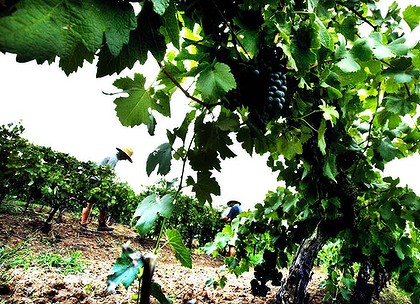
Hurdle ... the high dollar means overseas competitors are able to steal Australia's markets. Photo: Edwina Pickles
Winemakers are facing a perfect storm of adversity, writes Eli Greenblat.
The nation's biggest and best-known family-owned wine companies have posted flat revenue and shrinking earnings for the past financial year, as the sector faces a maelstrom of external shocks, led by the high dollar, which has cut exports, and a grape glut and competition from new world producers.
The only bright spot on the horizon is the growing wine boom in China, although the market remains too small and immature to compensate for lost sales in developed markets such as Europe.
The revenue of the 150-year old Tahbilk Wines, in the Nagambie Lakes region of central Victoria, where it directs production of 100,000 cases a year, fell to $13.675 million for 2010-11, from $13.887 million previously, as its net profit dropped to $235,137 from $341,804.

"We are still in the eye of a perfect storm" ... Alister Purbrick. Photo: Eddie Jim
"As far as our industry is concerned, we are still in the eye of a perfect storm," Tahbilk's chief executive, Alister Purbrick, said.
"I started work in the Coonawarra. My first vintage was 1976. This is absolutely the hardest time that you could ever imagine the industry could be in. There is nothing else that could go wrong in our industry that's not [already] wrong at the moment.
"It's still impossible to achieve price increases and, of course, your cost base continues to increase, so your margin is impacted on a continuing basis. And the retail chains and banner groups are, if anything, asking for even greater promotional contributions than they were 12 months ago and, of course, that erodes margins as well.
"The sweet spot was for premium table wines" ... Mitchell Taylor.
"The Australian dollar is still strong in all our main export markets, so we have margin erosion there as well."

The impact of the high dollar for winemakers, not just those that are privately owned, is that it makes Australian wine more expensive for overseas drinkers – allowing competitors, such as New Zealand and the new world producers of Chile and Argentina, to steal Australia's markets on price.
The double hit is that imported wine is also cheaper in Australia, robbing these same Australian companies of domestic sales as well.
The heads of family-owned wine companies said Australian wine was especially being undercut in Europe, Britain and North America by wines from South America.
