Exquisite Harmonies: Matching Iberian Wines with China’s Great Cuisines(2)


With lighter seafood dishes, you can try some of the more aromatic Spanish grapes, as paired below with other regional dishes (see Albariño and Godello, especially) or even something as light as Vinho Verde. Shandong is also famous for its soups made from all manner of ingredients. This opens the door for experimentation with Sherry, particularly Palo Cortado, Amontillado and dry Oloroso wines from top soleras.
Yue (Guangzhou/Cantonese)
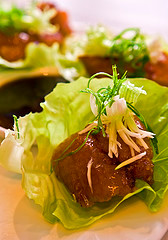
The Cantonese are well-known for consuming almost anything that moves, apart from, bizarrely, lamb, which, along with mutton, is eaten more in north and north-Western China. Yue cuisine is similar to Shandong fare combining fresh flavors, seafood and similar cooking techniques, although cooking �in salt� and considerable use of rice wine feature too. Expect the holy trinity of garlic, ginger and green onion (scallion).
Xia jiao (steamed prawn dumplings) are part of the classic yum cha or dim-sum line-up. As there is no dipping sauce for this dish, wine provides an acidic foil. Good quality Cava, whether from traditional Spanish grapes or with some Chardonnay in the mix, should make a good match, providing refreshing high acidity. Aged red Rioja or older Ribera del Duero wines would also work beautifully with Cantonese pigeon (often braised in rice wine, soy sauce and star anise and then roasted) or other Cantonese roast meats � also try Tawny Ports if you want a richer combination!
Generally speaking, it�s worth avoiding very intensely perfumed varieties such as Moscatel because these have perfumed �sweet� noses that can overwhelm some Cantonese dishes; although some Spanish aromatic whites can work. Owing to its �clean flavors�, Cantonese cooking is especially wine-friendly and is often the de-fault mode for pairing wines with Chinese food.
Chuan (Sichuan)

Sichuan cooking usually utilizes chili heat and the numbing hua jiao (prickly ash Sichuan �peppercorns�) now used and abused by chefs all over Europe. These strong flavors are commonly balanced with sugar or the use of stir-fried vegetables that taste �sweet�. Garlic and chili�s naturally high acidity, along with the numbing, juniper-like Sichuan �peppercorns�, present challenges to most wines.

