How to Buy ...(3)


Credit Default Swaps
By Peter Tchir
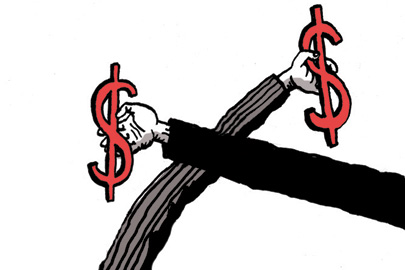
Illustration by Neal FoxYou don’t buy credit default swaps only when you think a company is going to default or have a credit event (which in the U.S., for a corporate CDS, would either have to be a bankruptcy or a failure to pay). You buy the CDS because you think the company’s credit will deteriorate—that its risk premium will move in your favor. A CDS is basically a trading vehicle. The first step in buying them is setting up a credit line—or International Swaps and Derivatives Association Master Agreement—with a bank, which is a long, formal process that can take up to six months. Once that’s in place, buying a CDS is not that different from trading any bond. Clients only ever trade with banks. Banks trade with clients and with each other. The more banks you have ISDAs with, the better your chances are of getting a good price for a CDS. Your goal is usually to buy from one bank and sell back to that bank or another at a profit. The standard trade size for a liquid investment-grade CDS is $10 million, so that’s why it’s big institutions, instead of individuals, that trade swaps. Banks regularly send e-mail messages to clients in which they list CDS prices. The prices are purely an indication of what that dealer might be able to provide. If interested, you contact the bank and negotiate a final price. From there, it’s settled electronically, and very standardized. — Tchir is founder of TF Market Advisors.
