I may not be a huge tea fan (I'm partial to plain old hot water -- less caffeine), but I am a fan of companies doing what they can to be environmentally friendly. One such company is Lipton, one of the many units of London-based Unilever. I mention Unilever because, according to this GreenBiz article, it's "an environmental leader," including having helped initiate the Marine Stewardship Council (making sure fisheries are certified as sustainable), among other environmental initiatives.
And as I learned, the apple that is Lipton doesn't fall far from the Unilever tree. Apparently, back in 2007, Unilever said it would "buy all of its tea from sources that are certified as sustainable by a nonprofit called the Rainforest Alliance." Employees at Lipton's Suffolk, Va., plant heard about that and decided they wanted to improve their own recycling efforts. How serious were they? Enough so that, according to the article, "Teams of workers followed Lipton's garbage to a local landfill, and (yuck) picked it apart to see what was being thrown away."
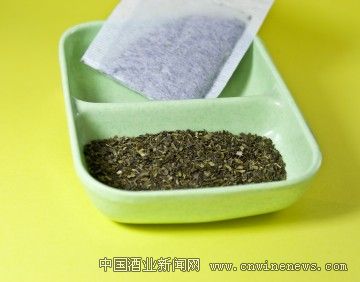
That journey clearly left an impression, because the plant, which produces nearly a million tea bags per hour, is now a "zero waste operation." According to the article, about 70 percent of its waste is recycled, 22 percent is composted and the other 8 percent is incinerated, "providing steam for a U.S. Navy shipyard in nearby Portsmouth, along with electricity that is sold back to the grid."
And as more and more companies are learning, being environmentally friendly is also good for the bottom line. Plant manager Ted Narozny, as quoted in the article, said, "In round numbers, we're saving approximately $100,000 a year." And the company is turning those savings around, investing it in further efficiencies.
Commendable, indeed. And you have to wonder how many other companies would suddenly become more environmentally friendly if their employees followed their company's trash.
- 徐岩:“黄淮名酒行”要传播白酒科技价值
- 6-2
- 尹贵超
- 奏响中国“蓝莓时代”发展乐章
- 5-29
- 李玉友
- 大小新闻手机客户端下载安装方法
- 6-1
- “中国梦·世界情”中国品牌全球行北京首发盛大启航
- 5-29
- 雷雁
根据《中华人民共和国著作权法》及《最高人民法院关于审理涉及计算机网络著作权纠纷案件适用法律若干问题的解释》的规定,本网站声明:
凡本网注明“来源:《华夏酒报》”或“来源:中国酒业新闻网”的所有作品,版权均属于华夏酒报社和中国酒业新闻网,未经本网授权不得转载、摘编或利用其它方式使用上述作品。已经本网授权使用作品的,应在授权范围内使用,并注明来源:《华夏酒报》或中国酒业新闻网。违反上述声明者,本网将追究其相关法律责任。
凡本网注明来源:XXX(非中国酒业新闻网)的作品,均转载自其它媒体,转载目的在于传递更多信息,并不代表本网赞同其观点和对其真实性负责。我们力所能及地注明初始来源和原创作者,如果您觉得侵犯了您的权益,请通知我们,我们会立即改正。
如因作品内容、版权和其它问题需要同本网联系的,请在30日内进行。 如果您有任何疑问,请联系我们:wlb@hxjb.cn
 互联时代,酒类电商的明日走势
 一购三赢?详解青青稞酒并购“中酒网”
 华夏酒报荣获中国商业文化建设传播奖
 三条酒类广告禁令考量社会责任